










Marine power systems operate in an environment where water, salt, vibration, and temperature changes can affect battery performance. Boats and yachts may also have limited installation space and fewer opportunities for maintenance once they are away from shore. For this reason, a suitable sodium-ion marine battery needs protection at both the cell and system levels, with the enclosure, electrical design, and battery management system matched to vessel requirements.
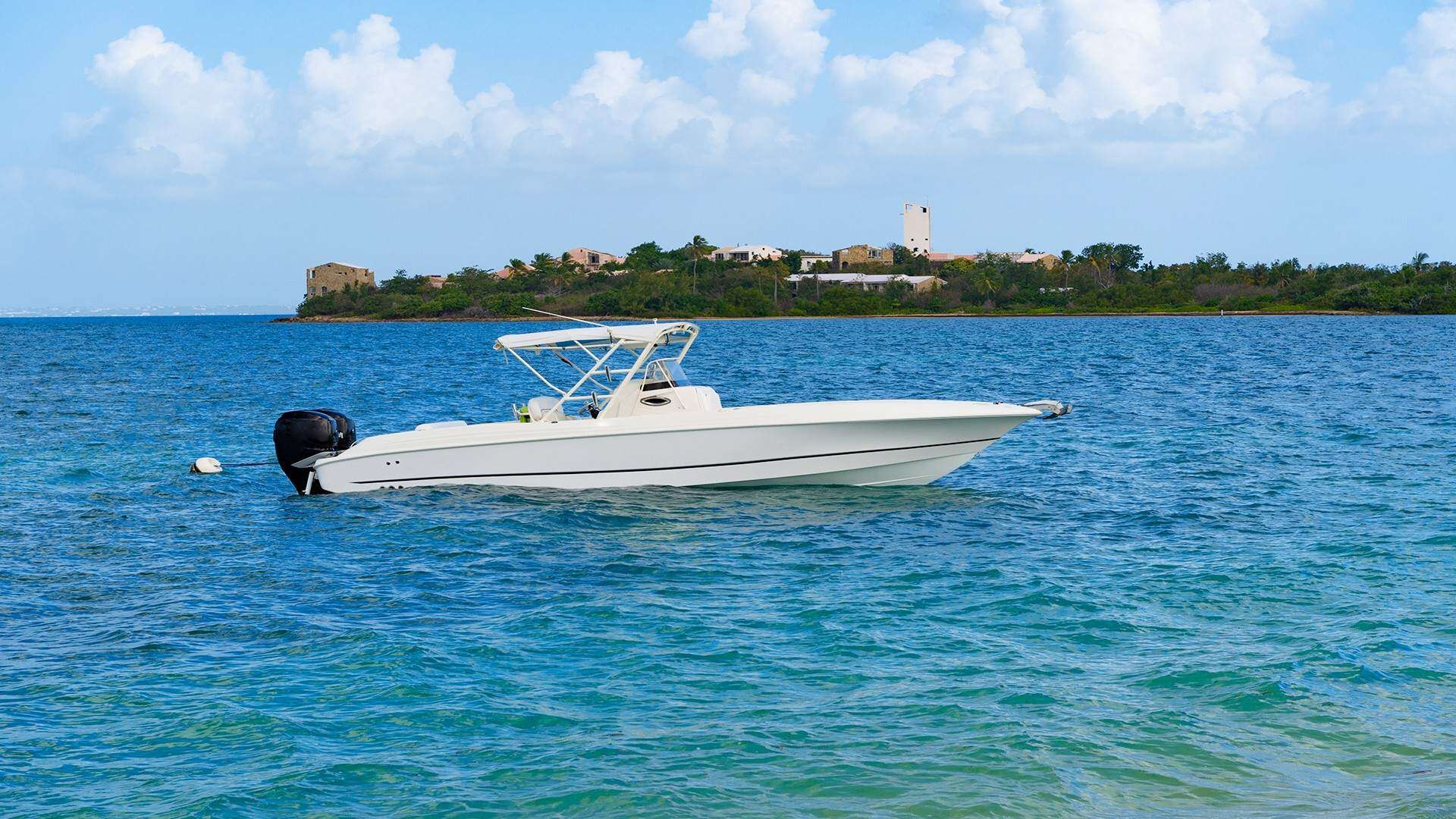
We develop customized sodium-ion battery solutions for marine propulsion systems and other demanding applications. Our design approach considers the vessel’s power requirements, available installation space, operating environment, and system interfaces. This makes the battery pack part of the vessel’s power architecture rather than a standard component added after the system has been designed.
Waterproof and Corrosion-Resistant Construction
Water exposure is one of the clearest differences between marine and land-based battery applications. A battery installed on a boat or yacht may encounter splashing water, condensation, and humid air, while saltwater can accelerate corrosion of exposed components and connections.
Our marine battery pack solutions can use an IP67 waterproof enclosure and an anti-corrosive architecture for marine propulsion applications. IP67 protection provides a higher level of enclosure protection against water and dust than an unprotected battery housing. The anti-corrosive design also addresses the effects of the marine environment on the battery system.
These physical protections are important because marine reliability depends on more than the electrochemical characteristics of the cells. Connectors, housing materials, electrical interfaces, and internal components also need to remain suitable for prolonged exposure to demanding environmental conditions.
Resistance to Vibration and Mechanical Stress
A vessel is constantly exposed to mechanical movement. Engine vibration, wave impact, and changes in vessel motion can place repeated mechanical stress on the battery and its mounting structure.
For this reason, marine battery design should consider how the cells, enclosure, connections, and mounting points respond to vibration. The battery should also fit securely within the available installation space so that movement does not create unnecessary stress on electrical or structural components.
We use customized structural and electrical integration to adapt battery dimensions and functions to different system layouts. This approach allows the battery pack to be designed around the vessel rather than forcing the vessel design to accommodate a fixed battery format.
Stable Performance Across a Wide Temperature Range
Marine vessels can operate in very different climates, from cold coastal regions to hot tropical waters. Battery performance can change with temperature, so the operating range needs to match the actual conditions expected during vessel use.
Our sodium-ion technology is designed for reliable operation from approximately -40°C to 80°C. This wide temperature capability can be useful for vessels that operate across different geographic regions and experience substantial changes between ambient and operating conditions.
Temperature capability is particularly relevant when a battery is installed in a location with limited thermal management options. A battery chemistry that can operate across a broad temperature range can reduce dependence on additional heating or cooling equipment in suitable applications.
High-Rate Power for Marine Propulsion
Marine propulsion systems can place substantial power demands on a battery, particularly during high-load operation and rapid changes in power demand. The battery therefore needs to deliver current quickly rather than simply provide a large amount of stored energy.
Our sodium-ion technology provides high-rate capability, with peak power output designed for high-load engine starts and repetitive pulse-power demands. For marine applications, this characteristic can help the battery respond to rapid changes in propulsion-related power requirements.
The required output depends on the vessel and propulsion system. Battery voltage, capacity, peak current, discharge characteristics, and electrical interfaces should therefore be specified according to the actual system rather than selected independently.
Battery Management and System-Level Protection
Cell chemistry is only one part of marine battery safety. The complete system also needs appropriate protection settings, communication functions, and thermal controls.
We support BMS co-customization for parameters such as communication protocols, protection settings, and thermal controls. These functions allow the battery management system to be matched more closely with the vessel's electrical architecture and monitoring requirements.
Safety also matters because marine batteries may be installed near other electrical equipment, fuel systems, or confined compartments. Our marine application design includes a zero fire propagation hazard feature listed on the customized battery page, adding another layer to the system-level safety approach.
Battery Dimensions and Installation Compatibility
Space is often limited on boats and yachts. Battery compartments may have fixed dimensions, while cable routing, mounting points, and surrounding equipment restrict the available installation area.
A marine battery therefore needs to fit the vessel's physical layout as well as its electrical requirements. Our customized battery pack solutions allow dimensions and functionality to be adapted to different system layouts. The design process can consider target voltage, capacity, available space, and system interfaces before the battery enters production.
This approach is useful for both new vessel development and replacement projects where an existing battery compartment cannot be significantly modified.
What to Consider When Selecting a Marine Battery
A suitable sodium-ion marine battery should be evaluated according to the actual conditions of the vessel. Waterproof protection, corrosion resistance, vibration tolerance, temperature range, output requirements, and installation space should all be considered together.
For boat builders, yacht manufacturers, and marine system integrators, these factors provide a more practical basis for battery selection than capacity or chemistry alone. The battery enclosure and structural design should match the marine environment, while the electrical and BMS configuration should correspond to the propulsion or onboard power system.
We develop battery pack solutions around these application parameters, including marine propulsion requirements, installation space, operating environment, and system interfaces. This allows the final configuration to reflect the vessel's actual requirements rather than relying on a one-size-fits-all battery design.
Marine Battery Design Starts with the Vessel
The suitability of a sodium-ion battery for a boat or yacht depends on how well the complete system addresses the marine environment. Waterproof and anti-corrosive construction, mechanical protection, wide-temperature operation, high-rate output, and customized BMS functions all contribute to the final design.
For marine projects, we focus on these application-specific requirements when developing customized sodium-ion battery systems. Aeson Power provides the engineering and manufacturing process from requirements assessment and design to validation and scalable production, allowing marine partners to define battery specifications around their vessel and power system.