










Battery technology is becoming a key factor in how industries store, use, and manage energy. From vehicles and backup power systems to renewable energy storage, companies are looking for solutions that can provide reliable performance, improved safety, and long-term value. While lithium-ion batteries have become widely recognized, alternative technologies are attracting attention because different applications require different performance advantages.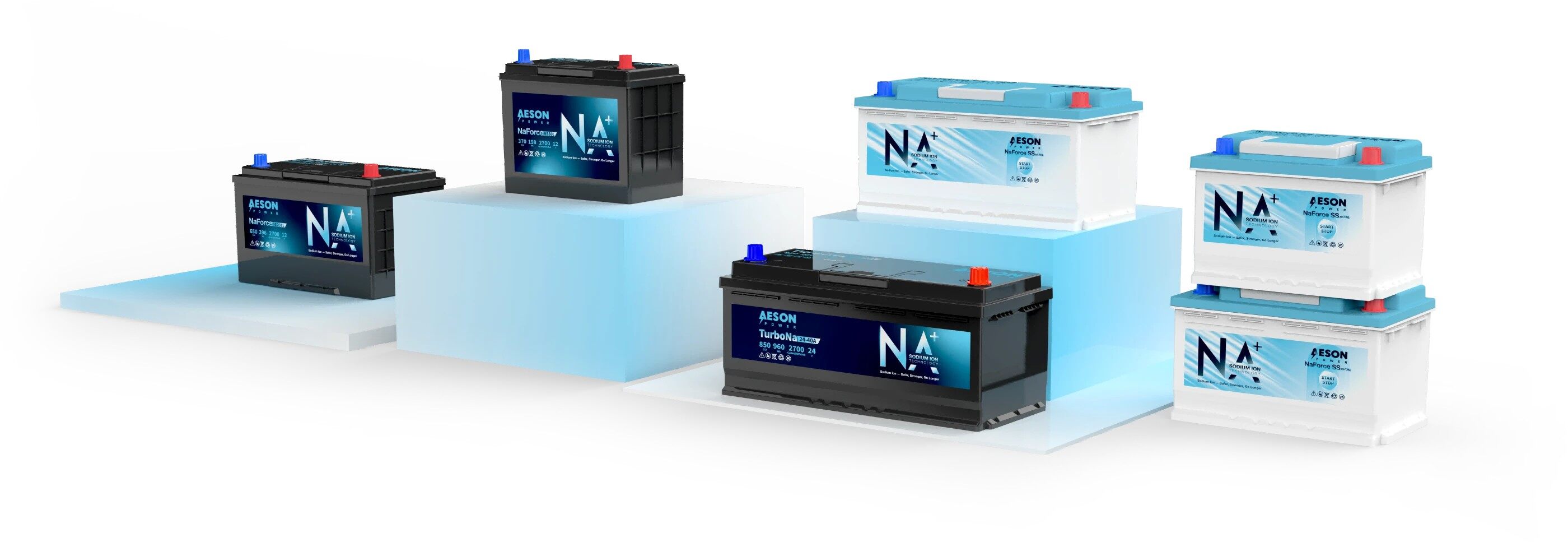
We develop sodium-based battery solutions to help global partners explore new possibilities in energy applications. For businesses that are beginning to learn about advanced batteries, understanding the basic principles, benefits, and practical uses of sodium-ion technology can help make better decisions when selecting future energy solutions.
A Simple Introduction to Sodium-ion Technology
At its most basic level, sodium-ion technology is a rechargeable battery technology that uses sodium-ions to transfer energy during charging and discharging. Similar to lithium-ion batteries, sodium-ion batteries contain positive and negative electrodes with an electrolyte that allows ions to move between them.
During charging, sodium-ions move and are stored within the battery structure. During discharge, these ions move back through the battery system to release electrical energy. This repeated movement allows the battery to be charged and used multiple times.
The main difference between sodium-ion and lithium-ion batteries is the material used for ion movement. Instead of lithium, sodium-ion batteries use sodium, an element that is widely available and suitable for large-scale energy applications.
Why Industries Are Exploring Sodium-Based Battery Solutions
Battery selection is no longer based only on how much energy a battery can store. Many industries now consider safety, environmental adaptability, service life, and operational stability when choosing energy systems.
Sodium-ion batteries have gained attention because of their strong thermal stability and reliable performance characteristics. These features are valuable in applications where batteries may experience temperature changes, frequent cycling, or long operating periods.
We focus on developing battery solutions that meet practical market requirements. By combining sodium-ion chemistry with application-based design, we support industries that need dependable power systems for demanding environments.
Key Differences Between Sodium-Ion and Lithium-Ion Batteries
Lithium-ion batteries have played an important role in modern energy development, especially in electric vehicles and portable electronics. However, different applications require different battery characteristics, and sodium-ion technology provides another option.
One major difference is material availability. Sodium resources are widely distributed, which creates potential advantages for supply flexibility. For industries planning long-term energy strategies, having multiple battery technology options can help improve supply chain resilience.
Safety performance is another important consideration. Sodium-ion batteries can provide excellent thermal stability, helping reduce safety concerns in applications where reliable operation is essential. This makes the technology attractive for industrial, transportation, and energy storage scenarios.
The Role of NFPP Materials in Sodium-Ion Battery Performance
Battery materials directly influence performance, safety, and lifespan. NFPP, a sodium-based phosphate material, is one of the technologies used to improve sodium-ion battery stability.
We use NFPP-based sodium battery technology to enhance safety characteristics and support reliable operation under different environmental conditions. The stable material structure helps the battery maintain performance while handling temperature changes and repeated charge-discharge cycles.
A major advantage of NFPP-based solutions is their ability to support wide temperature operation. Our battery technology is designed to perform in environments ranging from approximately -40℃ to 80℃, making it suitable for applications exposed to challenging climates.
Where Sodium-Ion Batteries Can Deliver Value
The potential applications of sodium-ion batteries continue expanding as industries search for safer and more adaptable energy solutions. Different sectors can benefit from the technology depending on their performance requirements.
In automotive applications, sodium-ion batteries can support starting systems that require high-rate power output and dependable performance. Reliable starting capability is especially important in vehicles operating under extreme temperatures or frequent usage conditions.
For UPS systems and backup power applications, battery stability is a key requirement. Data centers, industrial facilities, and communication systems need energy solutions that can provide consistent power when interruptions occur.
Sodium-ion technology is also suitable for residential energy storage, off-grid systems, and marine applications. These scenarios often require batteries that can operate reliably with limited maintenance and changing environmental conditions.
How We Adapt Sodium-Ion Solutions for Different Applications
The requirements of a starting battery are different from those of an energy storage system. Starting applications need rapid current delivery within a short period, while storage systems may place greater emphasis on cycling, capacity, and operating duration. Marine and off-grid systems can also have specific requirements related to installation space, temperature, and environmental exposure.
We develop customized sodium battery solutions according to these application conditions. Battery configuration, voltage, capacity, discharge characteristics, dimensions, and protection requirements can be adjusted based on the target equipment and operating environment.
This application-based approach allows us to use the same sodium-ion technology across different product categories without applying an identical battery design to every scenario. It also gives manufacturers and system integrators more flexibility when incorporating sodium-ion batteries into existing equipment or developing new products.
Why Sodium-Ion Technology Is Gaining Attention
At Aeson Power, we develop sodium-ion battery products and customized solutions for these different applications. Our work covers material development, battery design, and application adaptation, allowing us to adjust the battery system to the requirements of the equipment.
For companies evaluating sodium-ion technology, the key is to look beyond the basic chemistry and compare how its characteristics match the intended application. Factors such as temperature range, discharge requirements, cycle conditions, available installation space, and system integration can help determine whether a sodium-ion solution is a practical choice