






Electric vehicles are designed to deliver efficient and intelligent mobility, but their performance depends on more than the main traction battery. Smaller electrical systems also play an important role in maintaining vehicle functions, supporting control systems, and ensuring a smooth driving experience.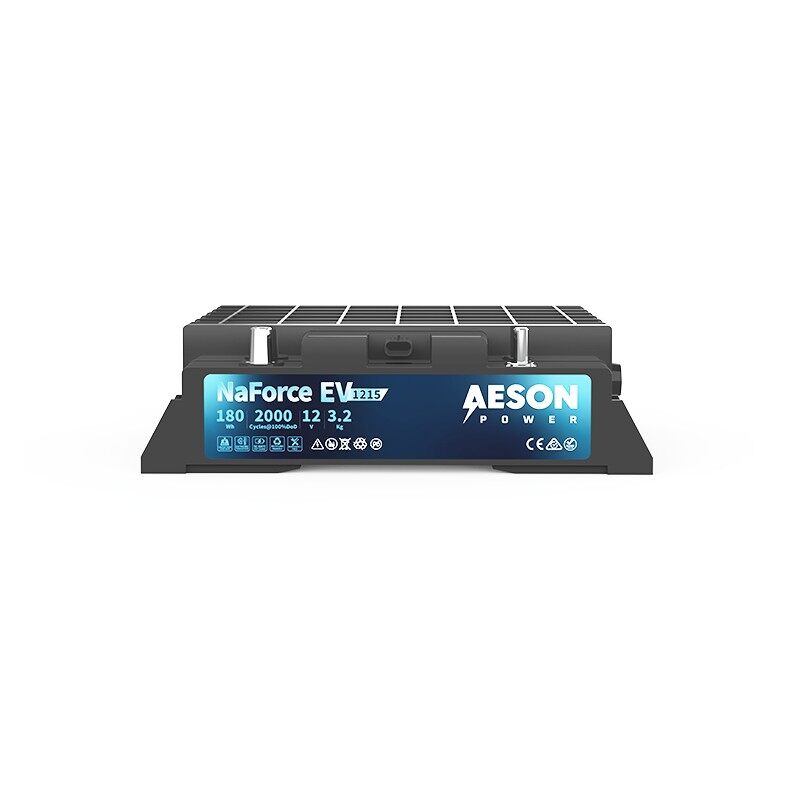
Extreme temperatures create additional challenges for these supporting systems. Whether vehicles operate in freezing regions or high-temperature environments, stable low-voltage power is essential. We develop battery solutions designed to support electric vehicle applications where reliability and temperature adaptability are critical.
The Importance of Low-Voltage Power in Electric Vehicles
Electric vehicles rely on multiple electrical systems beyond the main drive battery. Functions such as vehicle control units, safety systems, sensors, lighting, communication modules, and electronic components require stable low-voltage power.
The auxiliary battery supports these systems and helps ensure that essential vehicle functions remain available. If the low-voltage system cannot operate properly, the overall vehicle experience may be affected.
An auxiliary battery for electric car applications must provide dependable performance under different operating conditions. We focus on developing solutions that help electric vehicle manufacturers and suppliers maintain stable electrical support throughout vehicle operation.
Temperature Challenges in Electric Vehicle Applications
Temperature variation is one of the biggest challenges affecting battery performance. Electric vehicles may operate in environments ranging from extremely cold climates to hot regions with intense sunlight and high ambient temperatures.
Low temperatures can influence charging efficiency and power output, while excessive heat may accelerate battery aging and affect long-term stability. These challenges require battery systems that can adapt to changing conditions.
Battery solutions are designed with temperature performance in mind. Reliable operation across different geographic markets and climate conditions is made possible through careful engineering and real-world testing.
Supporting Vehicle Reliability in Cold Environments
Cold weather can place additional pressure on vehicle electrical systems. When temperatures drop, batteries may experience reduced performance, which can influence starting capability and the operation of low-voltage components.
For electric vehicles used in colder regions, auxiliary power systems need to provide consistent energy support even when environmental conditions become challenging.
Battery technologies are developed with a focus on stable performance in demanding climates. Through careful design and application understanding, electric vehicle systems are built to remain dependable during cold-weather operation.
Maintaining Stability Under High Heat Conditions
High temperatures create another set of challenges for electric vehicle batteries. Vehicles operating in hot regions may experience prolonged exposure to heat from the environment and internal vehicle systems.
Thermal stress can influence battery performance and service life if the solution is not designed appropriately. A reliable auxiliary battery should maintain stable output while supporting vehicle electronics in demanding conditions.
Electric vehicle battery solutions are developed to address these practical requirements. Temperature adaptability is considered an important factor in creating products suitable for modern electric mobility applications.
Battery Performance Beyond Daily Driving Conditions
Electric vehicles are increasingly used across different environments, including urban transportation, commercial mobility, and specialized applications. Each scenario may create different requirements for auxiliary power systems.
A battery solution must support not only normal operation but also unexpected conditions such as long parking periods, temperature fluctuations, and repeated vehicle usage.
Application needs are understood through close customer collaboration, and suitable battery solutions are provided accordingly. Reliability and adaptability are key priorities for improving the overall performance of electric vehicle platforms.
Designing Auxiliary Battery Solutions for EV Manufacturers
For electric vehicle manufacturers and system integrators, selecting the right battery partner involves evaluating product performance, customization capability, and long-term cooperation potential.
Different vehicle models may require different battery specifications based on electrical architecture, operating environment, and market requirements. Flexible development support can help businesses create more suitable solutions.
At Aeson Power, we provide battery solutions designed for electric vehicle applications, including auxiliary battery systems that support modern vehicle electrical requirements. We combine technical experience with application knowledge to help customers develop reliable energy solutions.
The Role of Battery Quality in Electric Mobility Development
As electric vehicles continue expanding into global markets, battery reliability becomes increasingly important. Vehicles need power systems that can perform consistently regardless of climate, usage conditions, or operational demands.
A dependable auxiliary battery helps support vehicle functionality and contributes to a better ownership experience. For manufacturers, stable battery performance also supports product quality and customer satisfaction.
Battery technologies are continuously improved to meet the changing requirements of electric mobility. The focus remains on creating practical solutions that support safer and more reliable vehicle operation.
Delivering Dependable Auxiliary Power for Electric Vehicle Applications
As electric vehicles expand into more regions and usage scenarios, battery systems must handle a wider range of operating conditions. Reliable auxiliary power is essential for supporting vehicle electronics and maintaining stable operation when temperatures and environments shift.
At Aeson Power, we understand that extreme heat and cold are not edge cases—they're everyday reality for many drivers. Our sodium-ion auxiliary batteries are designed to operate across a wide temperature range from -40°C to 80°C, helping vehicle electronics maintain reliable power in demanding environments, from desert heat to mountainous cold. This wide temperature adaptability can reduce the need for additional thermal management measures.
We work directly with EV manufacturers and system integrators to match the right battery to the vehicle's electrical architecture and packaging constraints. If the standard options don't fit, we'll adapt—terminal placement, case dimensions, BMS tuning, whatever the build requires.
Have a specific temperature challenge or integration requirement? Contact us to discuss your application.


