










Every battery has a simple purpose: storing energy when power is available and releasing it when energy is needed. However, the process behind this function involves complex electrochemical movement inside the battery. As industries explore safer and more adaptable energy solutions, sodium-ion technology is becoming an important option for applications that require reliable performance.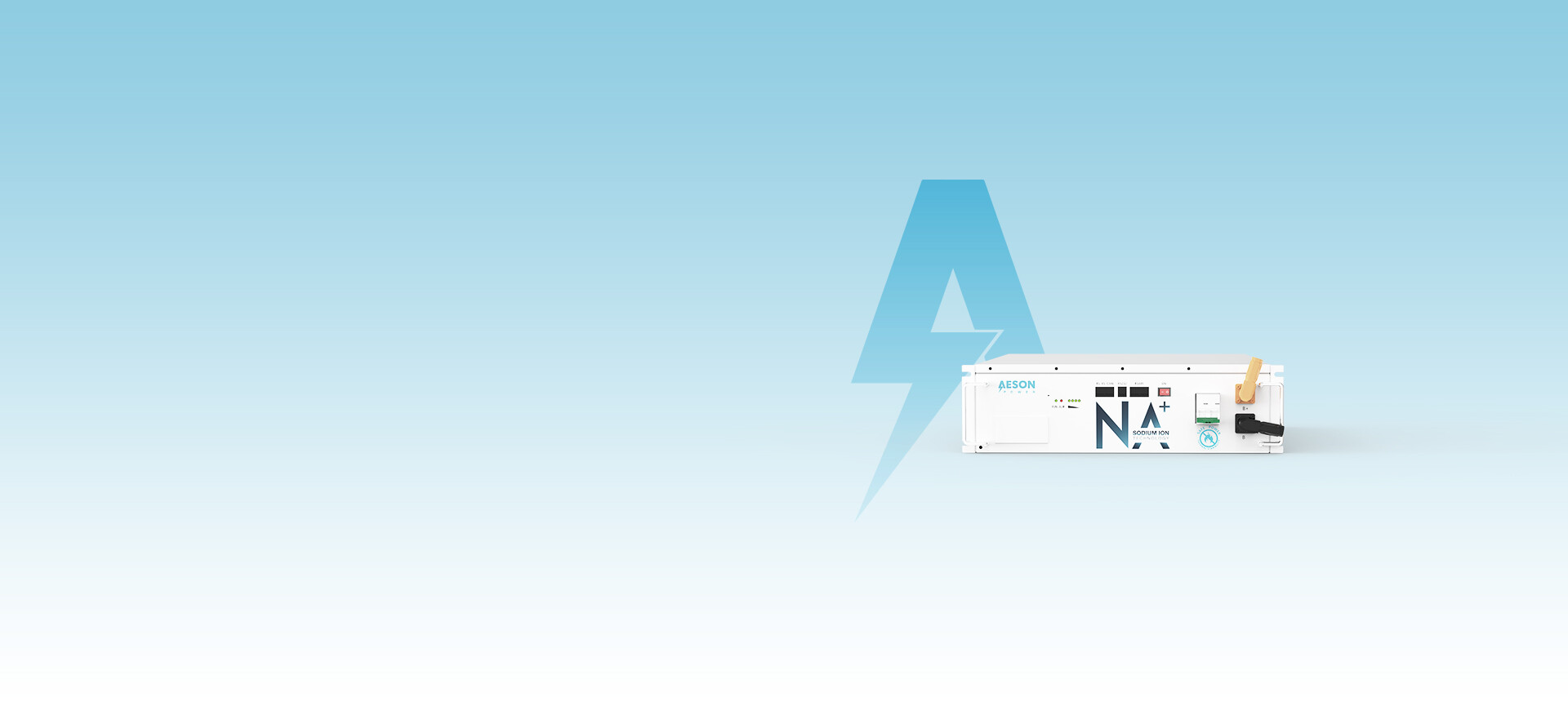
For businesses evaluating new battery technologies, understanding how sodium-ion batteries work provides a foundation for selecting suitable solutions. We focus on explaining and developing sodium-ion battery systems that support practical applications, from automotive power and backup systems to energy storage and off-grid solutions.
The Basic Structure Behind Sodium-Ion Batteries
A sodium-ion battery operates through the movement of sodium-ions between two electrodes. Like other rechargeable battery technologies, it contains a positive electrode, a negative electrode, and an electrolyte that allows ions to travel between them.
The positive electrode stores sodium-ions when the battery is in different operating states. During charging and discharging, sodium-ions move between the positive and negative electrodes through the electrolyte.
The battery structure is designed to control this movement efficiently. By selecting suitable materials and optimizing the internal design, we can improve safety, cycle performance, and overall reliability for different applications.
What Happens During the Charging Process?
Charging is the process of storing electrical energy inside the battery. When external power is connected, electrical energy drives sodium-ions from one electrode to another, where they are stored until the battery is needed.
During this process, the battery converts electrical energy into chemical energy. The controlled movement of sodium-ions allows the battery to store energy repeatedly without requiring replacement after every use.
When customers ask how do sodium-ion batteries work, the charging process is one of the most important concepts to understand. The efficiency and stability of ion movement directly influence charging performance, battery lifespan, and long-term reliability.
How Energy Is Released During Discharge
Discharging is the reverse process of charging. When a battery powers a device or system, stored chemical energy is converted back into electrical energy. sodium-ions move in the opposite direction through the battery structure, while electrons travel through the external circuit to provide power.
The discharge process determines how effectively a battery can respond to real-world energy demands. Applications such as vehicle starting systems, UPS equipment, and industrial power solutions require batteries that can provide stable output when energy is needed immediately.
We develop sodium-ion solutions with strong discharge capability to support applications requiring reliable power delivery. High-rate performance is especially important for systems where sudden energy demands occur.
The Role of NFPP Materials in Sodium-Ion Battery Performance
Battery materials have a direct impact on safety, durability, and operating stability. NFPP, a sodium-based phosphate material, is used in sodium-ion battery development because of its stable structure and reliable thermal characteristics.
We apply NFPP-based technology to improve battery performance under demanding conditions. The material properties help support safer operation while maintaining consistent performance during repeated charging and discharging cycles.
Compared with some conventional battery solutions, NFPP sodium batteries provide strong thermal stability. This characteristic helps reduce safety concerns and supports applications where batteries may experience temperature changes or continuous operation.
Why Temperature Adaptability Matters in Battery Operation
A battery does not always operate in controlled environments. Vehicles, industrial equipment, marine systems, and energy storage installations may face extreme weather conditions during daily operation.
Temperature affects both charging and discharging performance. Low temperatures can reduce reaction efficiency and available power output, while excessive heat may accelerate battery aging.
Our sodium-ion battery solutions are designed to support a wide operating temperature range, helping maintain reliable performance from approximately -40℃ to 80℃. This adaptability allows partners to consider sodium-ion technology for applications across different geographical regions.
From Individual Battery Cells to Practical Energy Solutions
Understanding battery chemistry is important, but commercial applications require more than individual cell performance. Battery systems must be designed according to specific requirements, including power demand, installation environment, and expected operating cycles.
We provide customized sodium battery solutions for different industries. Automotive applications may require strong starting power, while UPS systems may prioritize long standby reliability. Energy storage projects may focus on deep-cycle performance and long service life.
For each project, we can adjust parameters such as voltage, capacity, battery dimensions, discharge characteristics, BMS settings, and communication interfaces according to the target equipment. This allows the battery pack to fit the electrical and installation requirements of the final system rather than relying on a fixed configuration.
Expanding Sodium-Ion Applications Across Industries
Sodium-ion batteries can be used in applications where thermal stability, temperature adaptability, and high-rate discharge are important. In automotive starting systems, the battery needs to deliver high current within a short period. UPS and energy storage systems have different requirements, such as repeated cycling, standby operation, or sustained power delivery.
Marine and off-grid systems add further considerations, including limited installation space, temperature changes, vibration, and maintenance access. These conditions require battery configurations that fit the specific equipment and operating environment rather than a one-size-fits-all design.
For automotive starting, UPS, energy storage, marine, and off-grid applications, we at Aeson Power develop sodium-ion battery solutions based on specific requirements such as voltage, capacity, dimensions, discharge characteristics, and operating temperature.
Sodium-Ion Battery Solutions for Different Applications
The way a battery charges and discharges is only one part of its performance. In practical applications, battery selection also depends on factors such as voltage, capacity, discharge rate, operating temperature, and installation space.
At Aeson Power, we develop sodium-ion battery solutions for automotive starting, UPS, energy storage, marine, and off-grid applications. We can also customize battery configurations according to the requirements of different equipment and operating environments.
For projects that require a specific battery configuration rather than a standard product, we can adjust parameters such as battery dimensions, voltage, capacity, discharge characteristics, and BMS settings to match the target system.