










As industries continue searching for safer and more adaptable energy solutions, battery technology is expanding beyond traditional options. Businesses in transportation, energy storage, industrial equipment, and backup power are paying closer attention to battery chemistry because different applications require different performance characteristics.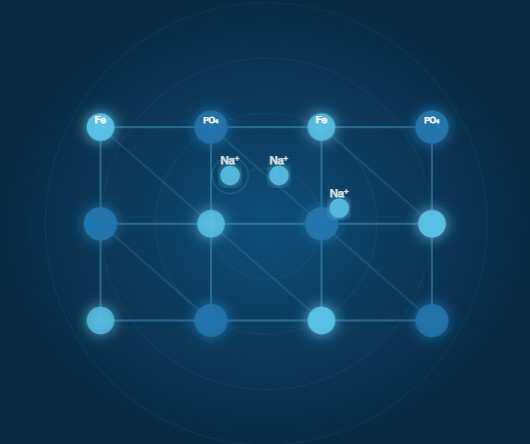
For companies beginning to explore alternative battery technologies, understanding what sodium-ion batteries are is an important first step. We develop sodium-ion battery solutions that focus on safety, durability, and environmental adaptability, helping global partners evaluate new possibilities for their energy applications.
1. Sodium-Ion Batteries Use Sodium Instead of Lithium for Energy Storage
The basic principle behind sodium-ion batteries is similar to other rechargeable battery technologies. Energy is stored and released through the movement of ions between the positive and negative electrodes during charging and discharging.
The key difference is the type of ion used. Sodium-ion batteries use sodium-ions rather than lithium ions to transfer energy. Sodium is a widely available element, providing another material option for scalable battery develepment.
When customers ask what sodium-ion batteries are, we explain that they are not simply a replacement for existing battery technologies. Instead, they represent an alternative approach designed for applications where safety, stability, and resource flexibility are important factors.
2. Sodium-Ion Technology Offers Different Advantages Compared with Lithium-Ion Batteries
Lithium-ion batteries have become widely adopted because of their high energy density and established production systems. However, not every application requires the same performance priorities.
Sodium-ion batteries provide advantages in areas such as thermal stability, operating temperature adaptability, and material availability. The actual performance depends on the battery chemistry, cell design, and application.For industrial applications, these characteristics can be valuable when reliability and long-term operation are more important than achieving the highest possible energy density.
By considering factors such as operating environment, discharge needs, and service expectations, we help partners identify suitable battery solutions for their markets.
3. Safety and Thermal Stability Are Important Strengths
Safety has become one of the most important considerations in battery selection. Industrial and commercial users need battery systems that can operate reliably while reducing risks in demanding environments.
Our sodium-ion battery technology uses stable material systems to support safer operation. NFPP, a sodium-based phosphate material, helps improve structural stability and thermal performance, making it suitable for applications where consistent operation is required.
Compared with some conventional battery chemistries, NFPP sodium batteries provide excellent thermal stability. This makes them suitable for scenarios where batteries may experience frequent cycling, temperature changes, or long operating periods with limited maintenance access.
4. Sodium-Ion Batteries Can Perform Across Wide Temperature Ranges
Environmental conditions can have a major impact on battery performance. Extreme heat may accelerate battery aging, while cold temperatures can reduce available power and affect charging efficiency.
For global markets, temperature adaptability is a practical requirement. Vehicles, marine systems, remote power equipment, and energy storage installations may operate in very different climates.
This capability helps maintain stable performance in both hot and cold environments, giving partners more flexibility when developing products for different regions.
5. Sodium-Ion Batteries Have Broad Application Potential
Battery technology must provide practical value beyond laboratory performance. Different industries require different combinations of power output, lifespan, safety, and environmental adaptability.
In automotive systems, sodium-ion batteries can support high-rate discharge requirements and reliable starting performance. In UPS applications, they can provide stable backup power for critical equipment.
The technology also has potential in marine systems, residential energy storage, and off-grid applications. These environments often require batteries with long service life, strong safety characteristics, and the ability to operate under changing conditions.
How NFPP Sodium Battery Technology Supports Future Applications
Material innovation plays an important role in improving battery performance. Our NFPP sodium battery technology focuses on achieving a balance between safety, reliability, and practical usability.
The stable structure of NFPP materials helps support long cycle life and consistent performance during repeated charging and discharging. This makes the technology suitable for applications where battery replacement is difficult or where continuous operation is essential.
We can also customize the battery configuration according to the target system, including system design, application environment, and expected performance. This flexibility allows us to support partners across multiple industries.
Supporting the Next Generation of Energy Applications
The development of battery technology is closely connected with the changing needs of global industries. As businesses require safer, more durable, and more adaptable energy systems, sodium-ion solutions provide new opportunities for applications that demand reliable performance in different environments.
At Aeson Power, we focus on transforming sodium-ion technology into practical solutions through continuous research, engineering development, and customized battery design. We work with partners across different markets to create energy solutions that align with specific application requirements.
From transportation and backup power to energy storage and off-grid systems, we believe the value of a battery is measured by how consistently it performs in real-world conditions. By combining stable materials, flexible customization, and application expertise, we aim to help our partners build more reliable energy systems for the future.