










Start-stop systems place greater demands on automotive batteries because the engine may shut down and restart repeatedly during everyday driving. Each restart requires a short burst of current, while the battery must also recover through charging between stops. This repeated cycling can place greater demands on the battery than conventional vehicle operation.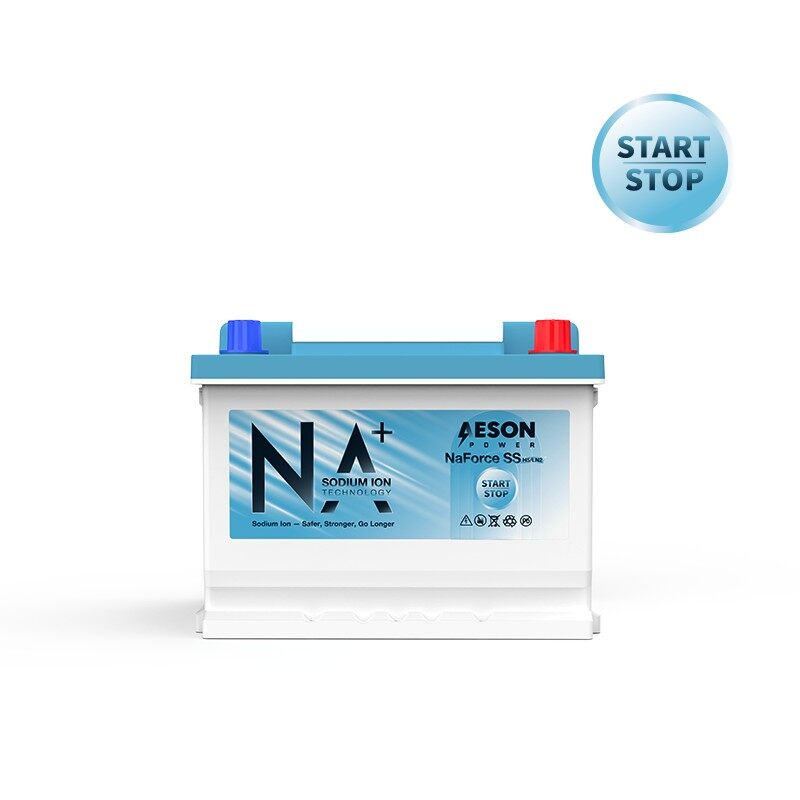
For vehicle manufacturers, distributors, and automotive solution providers, selecting the right battery technology is a long-term decision that affects reliability, maintenance, and user experience. We develop automotive battery solutions that help partners compare different technologies and identify suitable options for modern transportation applications.
The Growing Requirements of Start-Stop Vehicle Systems
Start-stop technology has become increasingly common as automotive manufacturers aim to improve fuel efficiency and reduce unnecessary engine operation. When a vehicle stops at traffic lights or during idle periods, the engine automatically shuts down and restarts when driving resumes.
This repeated process creates higher stress on the battery compared with conventional vehicle operation. A battery must provide strong starting power, recover quickly through charging, and maintain stable performance after thousands of cycles.
A suitable auto start stop battery needs more than sufficient capacity. It requires high-rate discharge capability, strong cycle durability, and reliable operation under different environmental conditions.
AGM Battery Technology and Its Role in Automotive Applications
AGM batteries have been widely adopted in many start-stop vehicles because they provide improved cycling performance compared with standard lead-acid batteries.
The AGM structure uses a fiberglass mat to absorb and hold the electrolyte, allowing the battery to achieve better vibration resistance and more stable power delivery. These characteristics make AGM batteries suitable for vehicles with frequent engine restarts.
AGM batteries remain a proven option for many start-stop applications. However, their performance characteristics, including weight, temperature response, and cycle behavior, may vary depending on battery design and operating conditions.As automotive requirements continue developing, manufacturers are exploring new battery technologies that offer additional benefits.
Sodium-Ion Technology Brings New Possibilities to Auto Batteries
Sodium-ion batteries use sodium-based materials to store and release energy through ion movement. Similar to other rechargeable batteries, they rely on controlled charging and discharging processes to provide power when needed.
We focus on applying sodium-ion technology to practical automotive requirements. Our solutions are designed to support high-rate power output, repeated cycling, and stable operation in demanding environments.
Compared with traditional battery options, sodium-ion technology provides advantages in safety and temperature adaptability. These characteristics make it an attractive choice for vehicles that require dependable performance over long operating periods.
Comparing Performance Between AGM and Sodium-Ion Batteries
When evaluating AGM and sodium-ion batteries, performance should be considered from multiple perspectives. AGM batteries have established experience in automotive applications and remain a reliable solution for many existing vehicle systems.
Sodium-ion batteries provide different advantages, particularly in areas such as thermal stability and long-term cycling capability. For vehicles that frequently start and stop, maintaining consistent output throughout the battery lifespan is an important factor.
As the market for advanced auto start-stop battery solutions grows, battery selection is becoming more focused on lifecycle value rather than only initial specifications. Performance consistency, maintenance needs, and operating conditions all influence the final decision.
Temperature Adaptability for Different Driving Environments
Vehicles are often exposed to changing climates, from extremely cold regions to high-temperature areas. These conditions can directly affect battery efficiency and service life.
Low temperatures may reduce available power, making engine starting more difficult. High temperatures can accelerate battery aging and affect long-term durability.
We design sodium-ion automotive battery solutions with wide temperature adaptability. Our technology supports stable operation across approximately -30℃ to 80℃, helping partners develop products suitable for different geographical markets and operating environments.
Safety and Long-Term Cost Considerations
For automotive businesses, battery performance is closely connected with overall ownership costs. A battery that requires frequent replacement can increase maintenance expenses and affect customer satisfaction.
Sodium-ion battery technology offers strong thermal stability and reliable cycling performance, helping reduce concerns associated with frequent use and harsh operating conditions. Its cycle performance and service-life characteristics may help reduce replacement and maintenance requirements when the battery is appropriately matched to the application.
At Aeson Power, we focus on developing battery solutions that combine safety, durability, and practical performance. Our goal is to help partners create automotive products that deliver dependable operation in real-world conditions.
Customized Battery Solutions for Automotive Partners
Different vehicles have different energy requirements. A compact passenger vehicle, commercial vehicle, or specialized transportation system may require different battery characteristics depending on engine size, operating patterns, and installation conditions.
We provide customized sodium battery solutions to support diverse automotive applications. By considering factors such as battery configuration, power requirements, and environmental conditions, we help partners develop solutions that better match their target markets.
Our approach combines battery technology development with application knowledge, allowing us to support manufacturers and distributors seeking reliable alternatives for future vehicle platforms.
Choosing the Right Battery for Start-Stop Applications
AGM batteries remain widely used in existing start-stop vehicles, while sodium-ion technology provides an alternative for applications that place greater emphasis on thermal stability, repeated cycling, and temperature adaptability. The suitable option depends on the vehicle's electrical system, operating conditions, and expected battery performance.
For automotive manufacturers and distributors considering sodium-ion solutions, we can develop battery configurations based on specific vehicle requirements. At Aeson Power, we support automotive starting and start-stop applications with customized options covering voltage, capacity, dimensions, and discharge characteristics.