






An automotive battery is a small but essential component that plays an important role in vehicle reliability. Beyond starting the engine, modern batteries must support increasing electrical loads, frequent operating cycles, and changing environmental conditions. For businesses involved in vehicle manufacturing, distribution, and aftermarket services, selecting the right battery technology can directly affect product performance and customer satisfaction.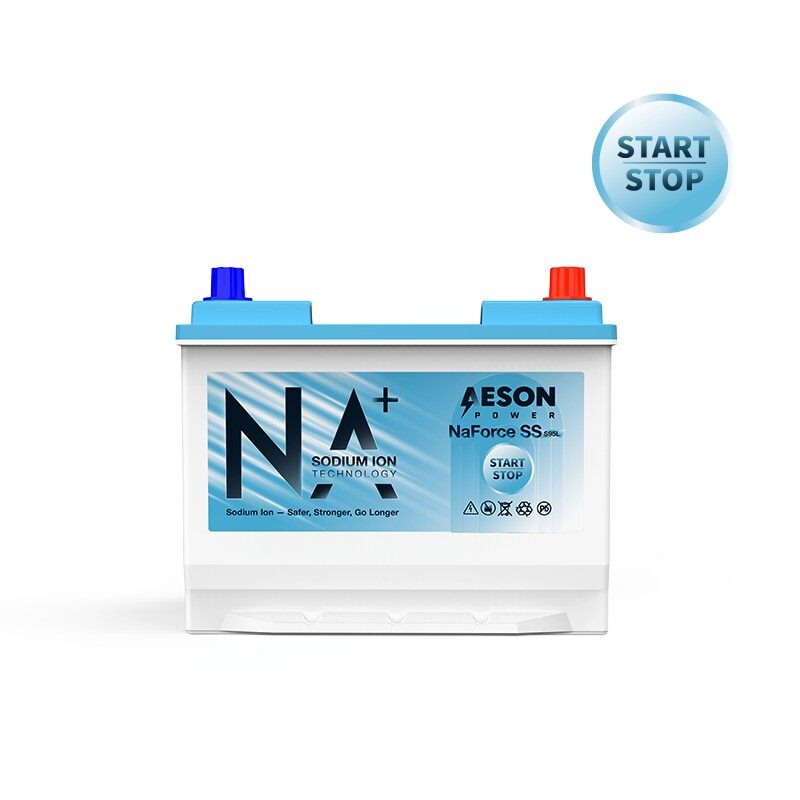
We develop automotive battery solutions that focus on dependable starting performance, long-term stability, and adaptability for different applications. By understanding the key factors behind battery selection, our partners can make more informed decisions when building or supplying vehicles for global markets.
Identify the Battery Requirements of the Vehicle Application
The first step in choosing an automotive battery is understanding how the vehicle will be used. Different vehicles have different power demands based on engine size, electrical systems, driving patterns, and operating environments.
A passenger car used for daily commuting may require reliable starting performance and support for electronic features, while commercial vehicles may need stronger durability due to longer working hours and more frequent operation.
We evaluate battery selection from an application perspective rather than focusing on one specification alone. Voltage compatibility, installation conditions, discharge requirements, and expected service life all influence the final battery configuration.
Starting Power Determines Initial Vehicle Reliability
Engine starting is one of the most important functions of an automotive battery. When the ignition system is activated, the battery must provide sufficient current within a short period to turn the engine successfully.
This requirement becomes more demanding in vehicles exposed to cold climates or frequent start-stop operation. Low temperatures can reduce battery efficiency, while repeated engine restarts increase the number of charge and discharge cycles.
A reliable automotive battery needs strong high-rate discharge capability to maintain stable starting performance. We design battery solutions that support quick energy delivery, helping vehicles operate confidently under different driving conditions.
Consider Battery Lifespan and Operating Cost
Battery replacement frequency is an important consideration for both end users and businesses. A battery with a shorter service life can increase maintenance expenses and reduce the overall value of the vehicle.
Modern vehicles place higher demands on batteries because of advanced electronics and increased energy consumption. A suitable battery should maintain stable performance after repeated charging and discharging cycles.
As an experienced automotive battery supplier, we focus on developing solutions that provide durability and consistent output. Our approach helps partners address long-term maintenance needs while maintaining reliable vehicle performance.
Evaluate Performance in Different Temperature Conditions
Vehicles are often used in diverse climates, making temperature adaptability an important selection factor. A battery that performs well in normal conditions may face challenges when exposed to extreme heat or cold.
High temperatures can accelerate battery aging, while low temperatures may reduce starting capability and charging efficiency. For global automotive markets, maintaining stable performance across different environments is essential.
Our sodium-ion automotive battery technology is designed to support a wide operating temperature range from approximately -40℃ to 80℃. This allows our partners to develop solutions suitable for vehicles operating in demanding climates.
Look at Safety and Battery Chemistry
Battery chemistry plays an important role in determining safety, stability, and performance. While traditional lead-acid batteries remain widely used, new technologies are being developed to address changing automotive requirements.
Sodium-ion battery technology provides advantages in thermal stability and operational safety. In polyanion-based sodium-ion systems, strong covalent bonds within the framework help maintain structural stability under demanding operating conditions. This stable material structure can improve resistance to thermal degradation and contribute to safer battery operation.Through the use of stable sodium-based materials, these batteries can support reliable performance in applications where consistent operation is important.
At Aeson Power, we continue developing advanced battery solutions that balance safety, durability, and practical automotive requirements. We aim to help partners select technologies that provide dependable performance throughout the vehicle lifecycle.
Understand the Differences Between Battery Technologies
Different battery technologies provide different advantages. Lead-acid batteries have a long history of use and are supported by mature production systems. AGM batteries improve cycling performance and are commonly applied in vehicles with higher energy demands.
However, as automotive systems become more advanced, manufacturers are looking for solutions that provide additional benefits. Sodium-ion batteries offer strong temperature adaptability, reliable cycling performance, and improved safety characteristics.
When selecting a battery, businesses should consider the complete application environment instead of comparing only one technical parameter. The best solution depends on performance expectations, operating conditions, and long-term business goals.
Choose a Partner with Customization and Supply Capability
Different vehicle platforms may require different battery specifications. Voltage, capacity, dimensions, discharge characteristics, and installation space can all affect the final battery configuration.
We develop customized sodium battery solutions based on these requirements and support applications ranging from passenger vehicles to commercial and specialized vehicles. Our customization process can cover battery configuration and other technical parameters required for system integration.
For an automotive battery supplier, the ability to adjust battery designs while maintaining consistent production is particularly important when one solution needs to be adapted across different vehicle models or markets.
Preparing Automotive Battery Solutions for Future Demands
For different vehicle platforms, battery requirements can vary in both electrical specifications and installation conditions.At Aeson Power, we develop sodium-ion automotive batteries for starting and start-stop applications, and can adjust voltage, capacity, dimensions, discharge characteristics, and operating temperature according to the application. This enables us to support passenger vehicles, commercial vehicles, and other transportation applications with configurations suited to their specific requirements.


