






Battery reliability has become a critical consideration as modern vehicles face more complex operating conditions. From passenger cars and commercial fleets to specialized vehicles, batteries must provide consistent starting power while maintaining stable performance under changing temperatures and frequent usage.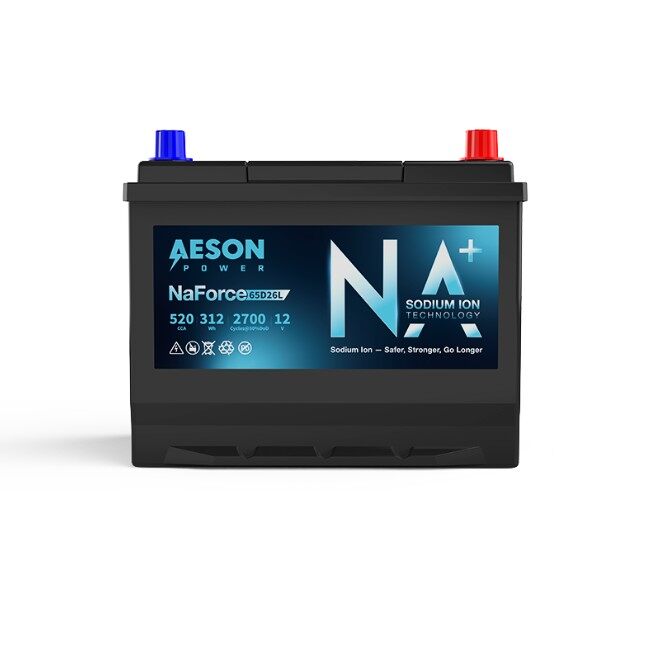
Although lead-acid batteries remain common in automotive applications, many businesses are evaluating newer technologies to meet higher expectations for safety, durability, and environmental adaptability. We develop advanced battery solutions that help partners address these challenges and support the evolving needs of global transportation markets.
Moving Beyond Traditional Battery Limitations
Lead-acid batteries have supported automotive systems for decades due to their established technology and widespread availability. However, changes in vehicle design and usage patterns have created new demands for battery performance.
Modern vehicles often include more electronic equipment and start-stop functions, which increase the frequency of charging and discharging. In addition, vehicles operating in extreme climates require batteries that can maintain reliable output despite temperature changes.
We provide sodium-ion battery solutions as a lead acid battery alternative for applications that require improved stability, safety, and long-term performance. By focusing on real-world operating conditions, we help our partners select battery technologies that better match future automotive requirements.
Safety Performance in Demanding Vehicle Environments
Battery safety is a major concern for automotive manufacturers and distributors. A reliable battery should maintain stable operation during repeated use, temperature fluctuations, and demanding driving conditions.
For businesses developing transportation solutions, battery chemistry and structural design play an important role in achieving dependable performance. A safer battery system can help reduce operational concerns while supporting longer service life.
We focus on creating battery solutions with strong stability and reliable characteristics. Our sodium-ion technology is designed to provide consistent performance for automotive applications where safety and reliability are essential factors.
Temperature Adaptability for Global Automotive Markets
Vehicles are often required to operate across different climate zones. A battery suitable for one environment may not provide the same performance in another, making temperature adaptability an important selection factor.
Cold temperatures can reduce battery output and affect engine starting capability, while high temperatures may accelerate battery aging. For international markets, battery technology must be able to handle both conditions effectively.
Our sodium-ion battery solutions are designed to support a wide operating temperature range from approximately -40℃ to 80℃. This allows our partners to develop vehicle systems that maintain reliable performance across diverse environmental conditions.
Improving Cold-Weather Starting Performance
Starting a vehicle in cold weather requires rapid energy delivery. When temperatures decrease, battery performance can be affected, making strong discharge capability especially important.
For vehicles operating in colder regions, a battery must provide sufficient current output to support engine ignition without significant performance reduction. This requirement is particularly important for commercial transportation and outdoor applications.
We develop automotive battery solutions with high-rate discharge performance to support dependable starting power. This helps our partners provide vehicles that are ready for operation even in challenging weather conditions.
Building the Future of Automotive Battery Performance
The automotive industry is moving toward battery technologies that can deliver reliable performance under demanding temperature and operating conditions. Beyond basic starting power, battery chemistry and material structure are becoming important factors in improving thermal stability and operational safety.
Our NFPP sodium-ion technology uses a polyanion framework with strong covalent bonds that help maintain structural stability within the battery material. This stable framework can improve resistance to structural changes under thermal stress, supporting stronger thermal stability and safer operation across demanding automotive applications.
Combined with high-rate charge and discharge capability and a wide operating temperature range, this material design makes sodium-ion technology a potential alternative to conventional lead-acid batteries where temperature adaptability, safety, and reliable power delivery are key requirements.
At Aeson Power, we apply this technology to automotive battery solutions designed for diverse operating environments. By combining material-level innovation with practical application requirements, we aim to provide partners with battery options that offer reliable performance beyond the limitations of traditional technologies.
Supporting Long-Term Vehicle Operation
Battery lifespan is another important factor when selecting automotive power solutions. Frequent replacement can increase maintenance costs and affect vehicle availability, especially for fleet operators and commercial applications.
A battery designed for long-term use should maintain performance through repeated cycles while reducing maintenance demands. This helps businesses improve operational efficiency and achieve better lifecycle value.
We develop battery technologies that emphasize durability and stable output. Through continuous improvement, we support customers looking for reliable solutions that can perform consistently throughout extended vehicle operation.
Choosing Battery Technology Based on Application Needs
Different automotive applications require different battery characteristics. Passenger vehicles, commercial fleets, and specialized equipment may have unique requirements related to starting power, temperature conditions, and usage frequency.
When evaluating battery options, businesses should consider the complete application environment rather than focusing on a single specification. Safety, service life, starting requirements, temperature conditions, and supply capability can all influence the final selection.
We work closely with partners to provide customized battery solutions based on their specific needs. This approach allows us to support different vehicle platforms and application scenarios with flexible energy solutions.
Building the Future of Automotive Battery Performance
The automotive industry is moving toward battery technologies that provide stronger reliability, improved safety, and better adaptability. As vehicle requirements continue changing, battery systems must deliver consistent performance in more demanding environments.
At Aeson Power, we are an Australian pioneer driving the global transition to next-generation sodium-ion technology. Through our strategic partnership with the Xupai Group, we deliver factory-direct battery solutions tailored for international markets. Our sodium-ion technology offers distinct advantages for automotive applications: excellent thermal stability, high-rate charge and discharge capability, and significant weight reduction compared to traditional batteries.
We focus on combining technical development with practical automotive experience to help global partners build dependable vehicle systems. Our commitment to extreme temperature resilience, cost efficiency, and exceptional safety ensures that our battery solutions provide lasting performance across diverse operating environments.
Through continuous innovation and close cooperation, we are working toward battery solutions that provide stronger support for the next generation of transportation applications.


