






The automotive battery market is changing as vehicle systems become more advanced and users expect better reliability in different driving environments. A battery is no longer viewed only as a component for engine ignition. It must also support frequent starts, electronic systems, and demanding operating conditions throughout the vehicle lifecycle.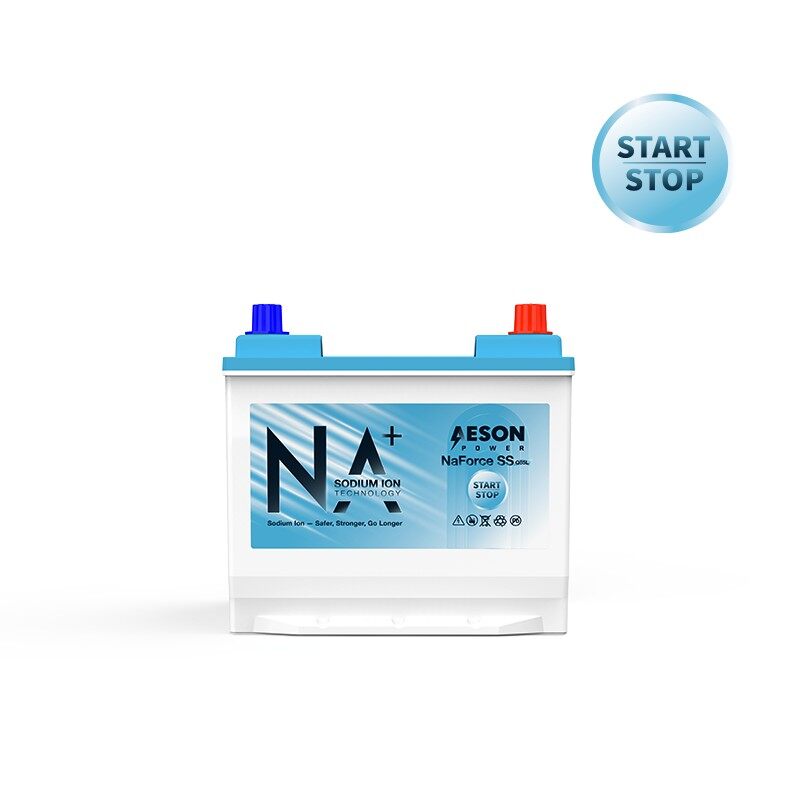
For manufacturers, distributors, and automotive solution providers, understanding new battery technologies is essential when planning future products. We develop sodium-ion battery solutions that focus on safety, durability, and practical performance, helping partners evaluate whether sodium-based technology is suitable for their automotive applications.
1. Sodium Car Batteries Use a Different Energy Storage Approach
A sodium car battery uses sodium-ion chemistry to store and release electrical energy. Similar to other rechargeable batteries, it relies on the movement of ions between electrodes during charging and discharging.
The main difference lies in the active materials used inside the battery. Instead of using lithium-based chemistry, sodium-ion batteries use sodium-based materials, creating another pathway for developing reliable automotive power solutions.
We focus on applying sodium-ion technology to real vehicle requirements. By considering factors such as starting performance, operating environment, and service expectations, we develop battery solutions that can support different automotive applications.
2. Starting Capability Is Essential for Automotive Batteries
The primary responsibility of an automotive battery is delivering sufficient power when the vehicle starts. The battery must provide a rapid current delivery to activate the starter system, especially during cold starts or frequent stop-and-go driving.
Modern vehicles place greater pressure on batteries because start-stop systems and advanced electronics increase the number of power cycles. A suitable battery needs strong discharge capability while maintaining stable performance over repeated use.
Our sodium-ion automotive battery solutions are designed with high-rate performance in mind. This helps support reliable starting power and consistent operation for vehicles that require frequent energy output.
3. Temperature Performance Determines Battery Reliability
A vehicle battery must perform under different weather conditions. From extremely cold regions to high-temperature environments, temperature changes can influence battery efficiency, charging behavior, and service life.
High temperatures may accelerate battery aging, while low temperatures can reduce available power and affect starting ability. Therefore, temperature adaptability is an important factor for global automotive applications.
We design sodium-ion battery solutions with a wide operating temperature range of approximately -40℃ to 80℃. This capability helps our partners develop products that can maintain stable performance across different climates and usage conditions.
4. Safety and Stability Are Important Buying Factors
Battery safety is becoming increasingly important as vehicles continue to integrate more electronic systems. A reliable automotive battery should provide consistent energy output while maintaining stable operation during long-term use.
Sodium-ion technology offers strong thermal stability due to its material characteristics. By using advanced sodium-based chemistry, we aim to provide battery solutions that perform reliably in applications requiring safety and durability.
At Aeson Power, we continue improving our battery technology to meet the needs of automotive partners. We focus on balancing power performance, safety requirements, and long-term reliability to create practical solutions for different markets.
5. Long-Term Value Comes from Lifespan and Maintenance Efficiency
Battery selection should not only consider initial purchase cost. For vehicle manufacturers and distributors, factors such as replacement frequency, maintenance requirements, and operating stability can have a significant impact on overall value.
Sodium-ion batteries are designed to provide reliable cycle performance, supporting applications where frequent charging and discharging are expected. This makes them suitable for vehicles that require consistent performance throughout extended operation.
When evaluating a sodium car battery, buyers should consider how the battery performs throughout its service life. A solution with stable output and reduced maintenance demands can provide stronger value over time.
Comparing Sodium-Ion Technology with Traditional Automotive Batteries
Lead-acid and AGM batteries remain established options for automotive applications, while sodium-ion technology offers another approach with advantages in thermal stability, cycle capability, and environmental adaptability.
However, changing vehicle demands are encouraging businesses to explore alternative solutions. Sodium-ion batteries provide advantages in areas such as thermal stability, cycle capability, and environmental adaptability.
We believe battery selection should be based on application requirements rather than a single performance measurement. Different technologies have different strengths, and the best choice depends on vehicle design, operating conditions, and expected performance.
Customized Battery Solutions for Automotive Applications
Automotive customers often require more than standard battery products. Different vehicle platforms may have unique requirements related to size, power output, installation conditions, and operating environments.
We provide customized battery solutions to support partners developing different automotive products. Through technical cooperation and application-focused design, we help customers identify battery configurations that match their specific needs.
Our experience in sodium-ion battery development allows us to support global partners looking for reliable solutions for transportation and related applications.
Aeson Power: Sodium-Ion Battery Expertise for Automotive Use
At Aeson Power, we develop sodium-ion batteries based on NFPP technology for automotive starting and start-stop applications. Our NaForce SS series supports high-rate discharge, rapid charging, wide-temperature operation, and up to 180,000 start-stop cycles, addressing the frequent starting and cycling demands of modern vehicles.
Our automotive battery solutions are available in different sizes and configurations, with customization covering voltage, capacity, dimensions, discharge characteristics, and other integration requirements. This makes our sodium-ion technology applicable to different vehicle platforms rather than being limited to one fixed battery specification.


