






A vehicle’s electrical system depends on more than just the main power source. Behind many essential functions, the auxiliary battery provides the support needed for stable operation. The auxiliary battery, also known as the low-voltage battery, supports many essential electrical functions beyond the engine starting system. Unlike a conventional starter battery, which is primarily designed to provide a short burst of power for engine starting, an auxiliary battery supports low-voltage electronics and other electrical loads. When this battery begins to lose performance, replacement becomes an important step in maintaining vehicle reliability.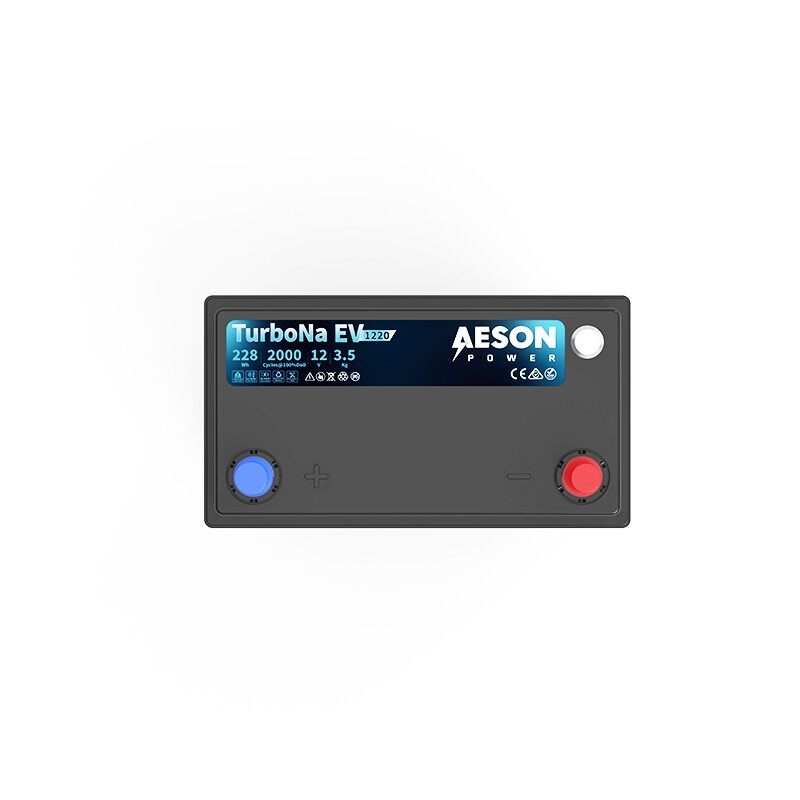
Choosing a suitable replacement requires more than matching physical size. Factors such as voltage compatibility, performance requirements, operating conditions, and battery quality all influence the final decision. We develop auxiliary battery solutions designed to support modern vehicle systems with reliable power and long-term stability.
Recognizing When an Auxiliary Battery Needs Replacement
Auxiliary batteries support various low-voltage systems in vehicles, including electronic controls, safety features, communication functions, and other onboard components. Over time, normal usage and environmental conditions can affect battery performance.
Signs of reduced auxiliary battery performance may include unstable electronic functions, warning signals, slower system responses, or difficulty maintaining consistent low-voltage support.
When planning a car aux battery replacement, evaluating the overall condition of the existing battery system is recommended rather than replacing components without understanding the cause of performance issues. A proper assessment helps ensure the new battery matches the vehicle’s actual requirements.
Checking Battery Specifications Before Replacement
Battery compatibility is one of the most important factors during replacement. Different vehicles may require different voltage levels, capacities, dimensions, and connection configurations.
Installing a battery that does not match the vehicle’s electrical requirements may affect system performance or create unnecessary maintenance concerns.For instance, some vehicles require specific communication protocols between the auxiliary battery and the vehicle's battery management system. Using an incompatible battery may result in the vehicle failing to recognize the new battery or improperly managing its charge profile.
Before selecting a replacement product, important technical factors are considered to ensure the battery integrates effectively with the vehicle system. This includes verifying terminal type and orientation—a seemingly minor detail that can render a battery unusable if mismatched.Physical dimensions and terminal configuration should also be checked to ensure proper installation.
Evaluating Performance Requirements for Modern Vehicles
Modern vehicles contain increasingly advanced electronic systems. Electric vehicles, hybrid models, and intelligent vehicles often depend on reliable auxiliary power to support multiple functions.
A replacement battery must provide stable output during different operating conditions. It should support electrical systems consistently while handling repeated usage cycles.
At Aeson Power, we develop auxiliary battery solutions for modern vehicle applications. We focus on balancing performance, durability, and compatibility to help customers maintain reliable vehicle operation.
Considering Temperature and Environmental Conditions
Battery performance can be influenced by surrounding conditions. Vehicles may operate in hot climates, cold regions, or environments where temperature changes frequently.
Extreme temperatures can affect charging behavior, energy output, and long-term service life. This makes environmental adaptability an important consideration when choosing a replacement battery.
We design battery solutions with different operating environments in mind. By focusing on stable performance across changing conditions, we help partners select products suitable for various vehicle applications.
Understanding Battery Quality and Service Life
Replacement decisions should consider long-term value rather than only immediate cost. A battery with consistent quality can help reduce maintenance frequency and improve vehicle reliability.
Manufacturing processes, material selection, and quality control all influence battery performance over time. For vehicle manufacturers and suppliers, these factors are especially important when developing reliable products.
We apply strict quality considerations throughout battery development and production. Our goal is to provide solutions that support dependable operation throughout the battery lifecycle.
Selecting a Reliable Battery Supplier
Beyond technical specifications, a replacement battery should also align with how the vehicle is actually used. This is an often-overlooked aspect of the selection process.
For vehicles with frequent starts, long standby periods, or higher low-voltage electrical loads, charging behavior and duty cycle should be considered when selecting an auxiliary battery For vehicles that remain parked for extended periods, standby loads and storage conditions should also be considered.For commercial vehicles with additional aftermarket electronics such as tracking devices, refrigeration units, or specialized equipment, the auxiliary battery must support higher baseline loads.
Application requirements are understood through close collaboration, and suitable battery solutions are provided accordingly. This approach helps businesses select options that match not only their vehicle platforms but also their actual operating conditions.
Improving Vehicle Reliability Through Proper Battery Selection
Replacing an auxiliary battery is not simply a maintenance task. It is an opportunity to improve electrical system reliability and ensure that vehicle functions continue operating smoothly.
A suitable replacement battery should provide stable performance, strong compatibility, and dependable support for the vehicle's electrical architecture.
Auxiliary battery solutions are continuously developed to meet the evolving requirements of modern vehicles. Engineering experience is combined with practical application knowledge to support customers seeking reliable power solutions.
At Aeson Power, auxiliary battery systems are built for the realities of modern vehicle operation. From -40°C to 80°C, our sodium-ion batteries deliver stable low-voltage power with maintenance-free operation and long service life. Designed to handle the sustained discharge demands of today's intelligent vehicles, they offer consistent performance without the voltage drop issues common in conventional alternatives. For EV and hybrid applications, that means reliable electronics, predictable system behavior, and fewer unexpected service visits.
For inquiries regarding specific vehicle platforms or operating conditions, our technical team is available to discuss your requirements.


