






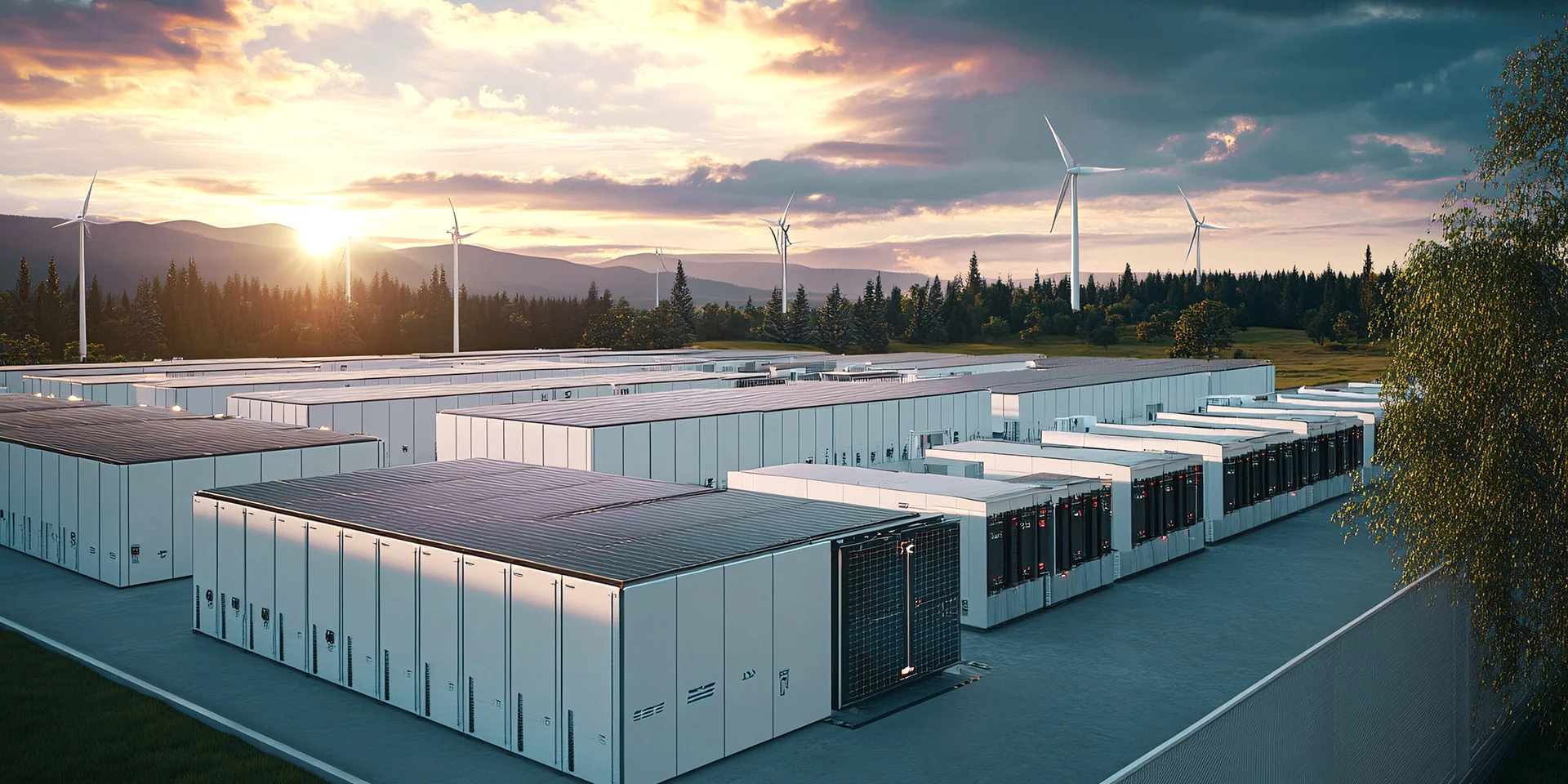
A remote power site is often an energy-logistics problem before it is a battery problem. Fuel may travel long distances, technicians may need flights or long road journeys, and a reliable grid connection may not exist. In that setting, off grid energy storage systems store local generation and keep essential loads supplied when generation and demand do not line up.
Fuel Deliveries Are Part of the Electricity Cost
Remote communities and industrial sites often rely on diesel because it is dispatchable, but transport, storage, maintenance and generator run hours can make electricity expensive. Battery storage can absorb excess solar or wind output, then release that energy later instead of starting a generator immediately.
The U.S. Department of Energy provides real examples of this model. A planned solar and battery project in Galena, Alaska, was estimated to reduce diesel consumption by about 95,000 gallons per year and allow more than 862 hours of annual diesel-off operation. Those figures belong to that project, not to sodium-ion systems in general.
Storage Bridges the Weather Gap
Solar production rises and falls with daylight and cloud cover. Wind can change even faster. A battery gives the microgrid a buffer between variable generation and a load that may need power continuously.
DOE defines microgrids as localized systems that can operate independently and combine generation, storage and controllable loads. For remote communities, an off-grid microgrid may need to serve the entire local load year-round, which places a higher availability requirement on storage and generation than a grid-connected system used only for backup.
That changes battery sizing. Energy capacity determines how long stored power can cover the site, while power rating determines whether the system can support high demand. Solar resource, generator capacity, seasonal load and required autonomy belong in the same model.
Cold Sites Put Temperature Data Into the Design
Remote installations are frequently exposed to temperatures that a conditioned commercial building never sees. Battery performance, charge acceptance and available power can change with temperature, so the published limits of the exact product matter more than a chemistry-level claim.
Our SIBPOM-4850 Pro sodium-ion module is rated at 48.5V and 50Ah, with a charging range of -10°C to 50°C and a discharging range of -45°C to 65°C. It also includes a BMS and communication functions for monitoring and control.
For a sodium-ion battery manufacturer, remote applications make that operating window an engineering input rather than a marketing line. Enclosures, heating or cooling, charge limits and site-specific winter conditions still determine how the battery can be used.
Fewer Site Visits Can Matter More Than Small Efficiency Gains
A maintenance trip to an isolated site can cost more than the component being inspected. This changes the economics of reliability. Remote monitoring, alarms and communications can reduce the need to discover problems only after a technician arrives.
The SIBPOM commercial cabinet platform supports Modbus TCP, 4G, and Ethernet for remote monitoring and system communication. Cabinet units can also be connected in parallel, with up to six units supported for off-grid operation.
Those functions do not eliminate field maintenance. They can give operators better visibility into system status and help distinguish a battery issue from a generator, inverter or site-load problem before dispatching personnel.
Off Grid Energy Storage Systems Need a Backup Strategy
A battery is not automatically a replacement for every generator. In off grid energy storage systems, multi-day bad weather or seasonal renewable shortages can exceed designed autonomy. Many remote microgrids therefore combine batteries with solar, wind or diesel generation.
DOE projects in remote Alaska illustrate this hybrid approach. Current programs are integrating solar and battery storage into communities that historically depended heavily on diesel, with the goal of reducing fuel use while retaining reliable local power.
The benefit comes from changing how often the generator must run. Dispatch controls can reserve battery energy for critical loads, absorb renewable output and call on the generator when the energy balance requires it.
Reliability Has to Be Designed Around the Load
A telecom shelter, mine camp, island community, water-pumping station and remote clinic do not have the same load profile. Critical loads may require redundancy, while less important loads can sometimes be shed to extend autonomy.
Our sodium-ion ESS range includes the rack-mounted SIBPOM-4850 Pro and larger SIBPOM 75/150 and 125/150 cabinet systems. The cabinet products integrate cooling, aerosol fire protection and system communications; the current brochure also lists off-grid parallel operation.
As a sodium-ion battery manufacturer, we use those platforms as starting points rather than assuming one configuration suits every remote site. The project design still needs a real load profile, renewable-generation data, autonomy target and service strategy.
Remote Power Rewards the Right System Architecture
The strongest case for sodium-ion storage in a remote project is not one isolated specification. It is the combination of the product's operating range, monitoring capability, off-grid integration and the way the complete microgrid reduces dependence on transported fuel or an unreliable network.
Our ESS work at Aeson Power covers sodium-ion modules and integrated systems for off-grid, telecom, backup and commercial applications. These products can work alongside local generation and site controls rather than as standalone batteries.
For teams assessing off grid energy storage systems, send the load profile, renewable-generation estimate, minimum autonomy, site temperatures and existing generator arrangement to our ESS team. Those inputs are enough to begin testing whether a sodium-ion configuration fits the remote power duty.


