






Every battery storage project has a job to do. The system may absorb solar generation, shift electricity across the day, provide backup power, or support a commercial site during short demand peaks. sodium-ion energy storage is drawing attention because sodium-ion cells can now perform some of those stationary tasks while adding another chemistry option to the market.
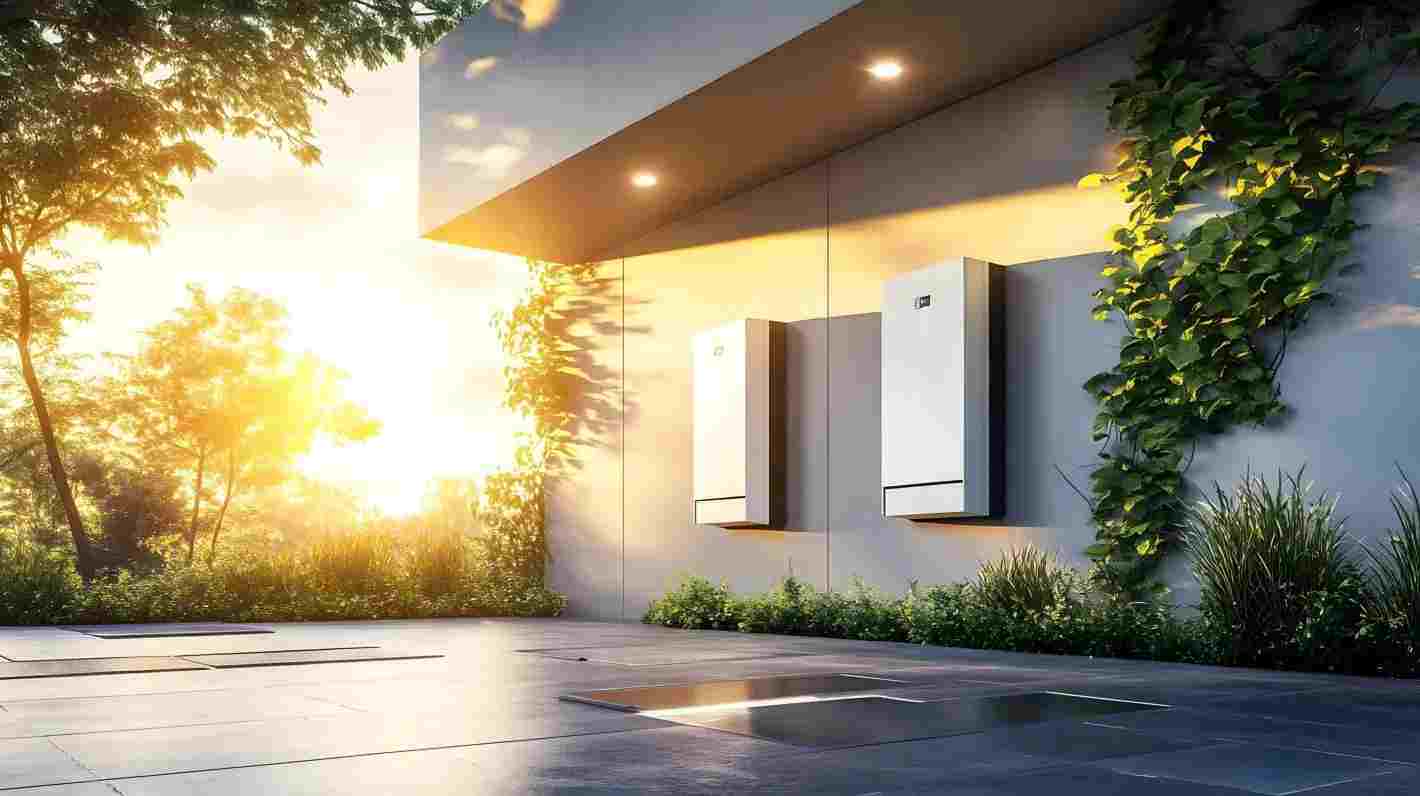
Sodium-Ions Follow a Familiar Route
Sodium-ion batteries are rechargeable batteries that move sodium-ions between the cathode and anode during charge and discharge. We describe the process as a "rocking-chair" mechanism similar in principle to lithium-ion systems: sodium-ions leave the cathode during charging, travel through the electrolyte, and return during discharge.
The similarity is important because sodium-ion is not a completely different category of electrical storage. Cells still need electrodes, electrolyte, separators, monitoring, thermal management, enclosures, power conversion, and system controls. The chemistry changes; the surrounding engineering remains essential.
Our current sodium-ion work uses NFPP polyanion cathode technology in products developed for stationary and backup applications. NFPP belongs to a wider group of polyanionic sodium cathodes being investigated and commercialized for their structural and thermal characteristics.
Supply Chains Scale and Application Fit
Supply-chain diversification is one reason for the renewed interest. Sodium-ion batteries do not require lithium, and sodium resources are widely available. The International Energy Agency notes that the technology could diversify battery chemistries and reduce exposure to lithium-price volatility, although current sodium-ion manufacturing remains heavily concentrated geographically.
Commercial scale is also changing. Global sodium-ion production was still less than 1% of lithium-ion output in 2025, according to the IEA, but major manufacturers have announced commercial-scale deployments and new production capacity. The technology is moving from demonstration toward wider market testing.
Stationary applications create a different set of trade-offs. These systems do not carry their batteries around, so gravimetric energy density can be less decisive than it is in an electric vehicle. Site footprint still matters, while safety architecture, temperature conditions, lifetime, controls, installation, and procurement can carry more weight in the final design.
Where Sodium Storage Fits Today
The strongest early opportunities are likely to be applications where stationary operation reduces the penalty of lower energy density. The IEA reports that current sodium-ion cells reach about 175 Wh/kg, below newer LFP cells at about 205 Wh/kg. In a fixed installation, that difference may be acceptable when other project requirements take priority.
We currently apply sodium-ion technology across UPS, telecom, commercial and industrial storage, and utility-scale energy-storage development. Our SIBPOM 75/150 and 125/150 cabinets are designed for commercial and industrial use and integrate sodium-ion cells with cooling, fire protection, system communications, and three-phase AC output.
That product architecture illustrates a broader point: sodium-ion energy storage is becoming a system product rather than only a cell-chemistry discussion. A buyer ultimately procures usable power, energy, controls, protection, communications, and serviceability.
System Engineering at a Sodium-Ion Batteries Manufacturer
At EES Europe 2025, we showed sodium-ion products for telecommunications, UPS, and C&I storage. The C&I system presented there used an integrated cabinet format, while our current SIBPOM cabinet product page lists sodium-ion 180Ah, 2.85V cells, Modbus TCP communication, air-conditioning cooling, aerosol fire protection, and protection of at least IP54.
Our role as a sodium-ion batteries manufacturer includes turning chemistry into systems that can be integrated into real electrical projects. The published cabinet specifications provide power, voltage, communications, protection, and environmental information that project engineers can work with instead of relying on generic chemistry claims.
Stationary sodium products are also appearing in smaller formats. The SIBPOM-12100, for example, is a rechargeable sodium-ion battery for UPS and standby use. Its current product page specifies 11.4V nominal voltage, 100Ah rated capacity, and separate charging and discharging temperature limits.
Scale Up Still Has Constraints
Growing attention should not be confused with market dominance. Lithium-ion has decades of commercial experience, a much larger manufacturing base, and mature supply chains. The IEA states that sodium-ion supply chains remain far less developed and that current lithium prices are not high enough for sodium-ion to undercut LFP in most applications.
Energy density remains another constraint. Material stability, interface behavior, cycle life, manufacturing consistency, and supply-chain development continue to be active research and industrialization topics. Recent peer-reviewed reviews describe sodium-ion as promising for large-scale storage while still identifying performance and materials challenges that require continued development.
Project-level evidence is therefore important. Product specifications, test conditions, certifications, controls, installation requirements, and operating environment should carry more weight than broad statements about sodium being cheaper, safer, or more sustainable in every situation.
A New Chemistry Does Not Replace System Engineering
Battery chemistry cannot decide whether a storage project works financially or operationally. A poorly sized sodium-ion system can underperform just as a poorly sized lithium-ion system can. Load profiles, charging sources, required autonomy, site conditions, power-conversion equipment, controls, and maintenance planning still shape the result.
Our work as a sodium-ion batteries manufacturer therefore extends beyond cell selection. We are Aeson Power, developing sodium-ion batteries and integrated storage products for backup, telecom, commercial and industrial, and larger stationary applications, supported by system integration and manufacturing capabilities.
Interest in sodium-ion energy storage is rising because the technology is moving into commercial products while battery users are looking for more chemistry options. It is not a universal replacement for lithium-ion, but it is becoming a credible additional platform for stationary storage. Bring the load profile, required power, storage duration, site conditions, and operating objective to our ESS team for a project-level sodium-ion assessment.


