






Electric vehicles have changed the way we think about automotive power, but the large traction battery is not responsible for every electrical function inside the vehicle. In most electric passenger cars, the 12V battery functions as the low-voltage auxiliary battery, providing power for many systems that drivers use every day.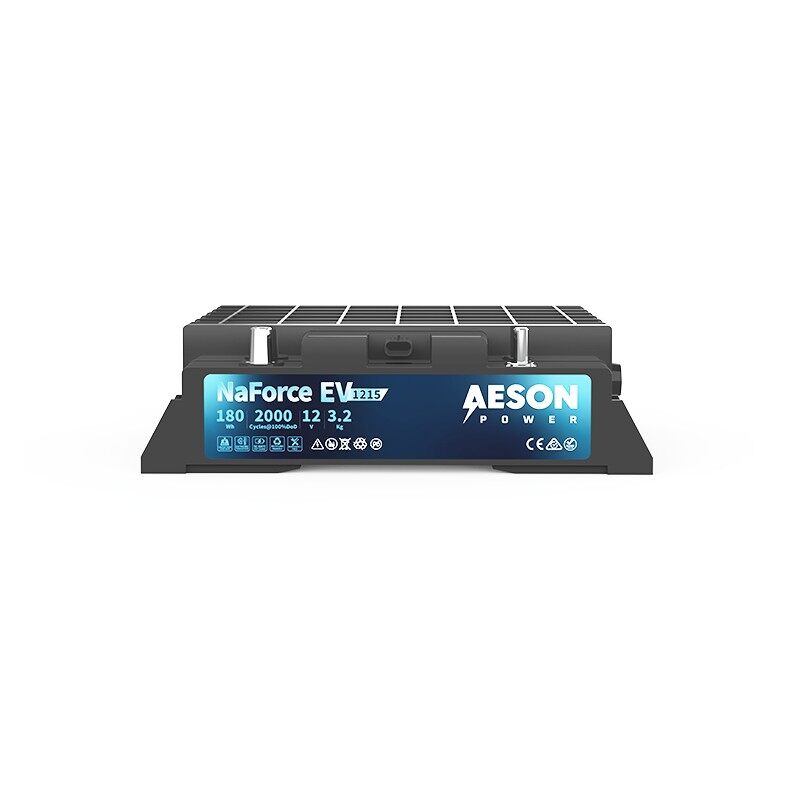
The 12V battery may appear small compared with the main battery pack, yet it performs an important supporting role. It helps activate electronic systems, maintain communication between vehicle components, and support essential functions before and during driving.
For electric vehicle manufacturers, the challenge is not simply adding a second battery. The low-voltage system needs to remain available even when the high-voltage traction system is inactive, so the auxiliary battery has an important role in vehicle readiness and electronic system stability.
More Than Driving Power: The Two-Battery Structure of Electric Vehicles
Electric vehicles typically use two different battery systems with separate responsibilities. The high-voltage traction battery provides energy for propulsion, while the 12V battery manages low-voltage electrical needs.
The two systems cannot simply be combined into one because many vehicle electronics require a stable, low-voltage power supply. Using the high-voltage battery directly would require additional voltage conversion and would also mean keeping the high-voltage system active for functions that only need a small amount of power. A separate 12V system simplifies the electrical architecture and allows essential low-voltage functions to remain available when the traction system is shut down.
A 12v battery for electric car applications provides the stable energy needed by many vehicle components. This makes the auxiliary battery an important part of the overall electrical system rather than simply a backup power source.
The Daily Operations Supported by a 12V Battery
Many vehicle actions happen before the driver even starts moving. Unlocking the doors, activating displays, powering control modules, and preparing electronic systems all require low-voltage energy.
The 12V battery helps supply power to systems such as:
l Vehicle control units
l Safety electronics
l Sensors and monitoring devices
l Lighting systems
l Communication modules
l Interior electronic functions
These features depend on consistent electrical support to operate smoothly.
For this reason, the auxiliary battery has to respond reliably during vehicle start-up, parking, and normal operation. Its role becomes particularly important as electric vehicles add more electronic controls and connected functions.
The Importance of Reliable Low-Voltage Power During Vehicle Shutdown
A modern electric vehicle does not completely stop using electricity when it is parked. Many systems continue monitoring conditions, communicating with external devices, or preparing for future operation.
The auxiliary battery provides the necessary support for these low-voltage functions without requiring the main traction battery to manage every small electrical demand.
This separation helps improve energy management and supports more efficient vehicle operation. We develop products that help customers create reliable power systems for advanced automotive applications.
Supporting Safety, Intelligence, and Vehicle Connectivity
Today’s electric vehicles include more intelligent features than ever before. Advanced safety systems, electronic control technologies, and connected vehicle functions all require stable power support.
A dependable 12V battery helps maintain communication between different vehicle systems and supports the operation of important electronic components.
At Aeson Power, we provide electric vehicle auxiliary battery solutions designed for the needs of modern transportation. We work with partners to develop products that support intelligent vehicle platforms with reliable low-voltage power.
Challenges Faced by 12V Batteries in Electric Vehicles
Although auxiliary batteries are smaller than traction batteries, they still need to perform under demanding conditions. Temperature changes, repeated vehicle cycles, and long periods of storage can affect battery performance.
A suitable 12V battery should maintain stable output across different environments. Durability and adaptability are important considerations for manufacturers developing vehicles for global markets.
The battery also needs to fit the vehicle's available installation space and electrical requirements. For manufacturers, factors such as voltage, capacity, dimensions, discharge characteristics, and communication requirements can therefore influence the final battery selection.
These details become especially important when the same vehicle platform is prepared for different markets or operating conditions.
Factors to Consider When Choosing an EV Auxiliary Battery
Selecting the right auxiliary battery requires careful evaluation. Vehicle manufacturers and suppliers need to consider:
l Electrical compatibility
l Battery performance requirements
l Installation design
l Operating environment
l Long-term reliability
A suitable battery should integrate effectively with the vehicle’s electrical structure while meeting specific project requirements.
We provide battery solutions based on customer needs and application conditions. Through technical cooperation, we help partners identify products that match their vehicle development goals.
Helping Build the Next Generation of Electric Mobility
The requirements of an EV auxiliary battery vary from one vehicle platform to another, so battery configuration and integration details matter as much as the basic chemistry. Aeson Power focuses on auxiliary battery solutions for electric vehicles, with customization covering specifications such as voltage, capacity, dimensions, and discharge characteristics.
If you are developing an electric vehicle or looking for a suitable 12v battery for electric car applications, you can contact us to discuss the battery requirements of your vehicle platform and identify a suitable configuration.


