






An electric vehicle appears quiet when it is parked, but many internal systems are still waiting for the next command. When a driver unlocks the vehicle, approaches with a smart key, or activates the control system, multiple electronic components begin working together before the vehicle can move.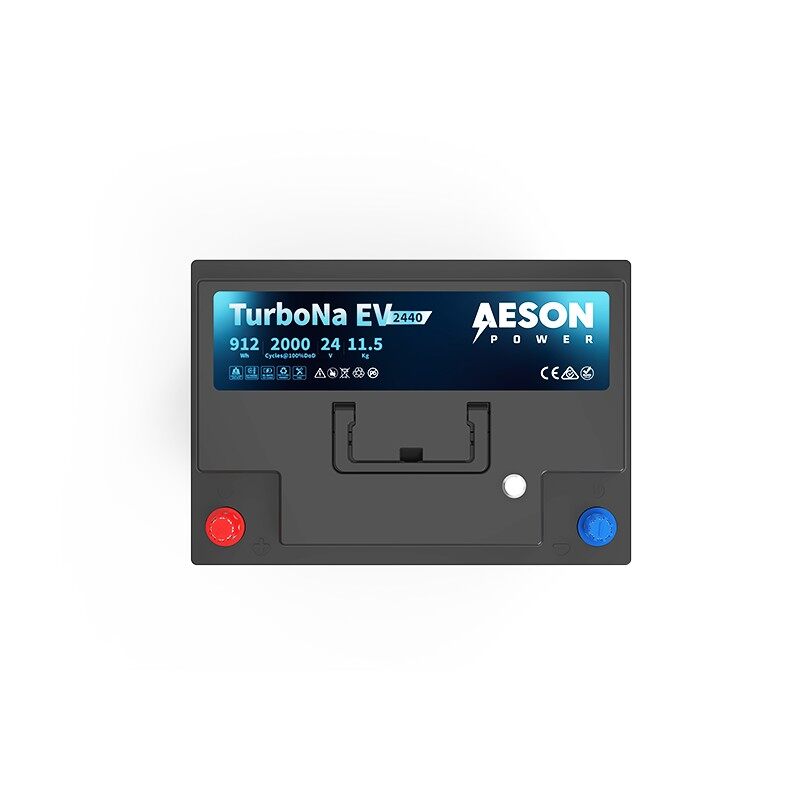
The auxiliary battery plays an essential role in this process. While the main traction battery provides the energy required for driving, the auxiliary battery supplies low-voltage power for the electronic systems that prepare the vehicle for operation.
We develop battery solutions for electric vehicle applications, helping manufacturers and partners improve electrical reliability through stable and efficient auxiliary power support.
The First Energy Source During Vehicle Activation
Before an electric vehicle enters driving mode, several low-voltage systems need to become active. The vehicle must recognize user commands, communicate between control units, and prepare safety and monitoring functions.
The auxiliary battery provides the power needed during this initial stage. It can supply the low-voltage network before the high-voltage traction system is fully engaged, allowing control modules and other electronic components to start their normal operating sequence.
For those exploring what does the auxiliary battery do, its role can be understood as the low-voltage power source that supports vehicle activation and prepares the electrical system before driving begins.
The Electrical Systems That Rely on Auxiliary Power
Although the auxiliary battery is smaller than the traction battery, it supports many important vehicle functions. Modern electric vehicles contain numerous electronic components that require stable low-voltage energy.
These may include vehicle control units, electronic access systems, sensors, communication modules, lighting, displays, and safety-related electronics. Some of these functions remain active while the vehicle is parked, while others are triggered when the driver unlocks or starts the vehicle.
This is why auxiliary power is needed beyond the moment of engine-free startup. The battery has to support a range of low-voltage loads during vehicle activation, driving, and standby periods.
The Reason Electric Vehicles Need a Separate Battery System
A large traction battery does not replace the need for an auxiliary battery because the two systems are designed for different tasks. The traction battery handles high-energy demands such as vehicle movement, while the auxiliary battery manages lower-voltage electrical requirements.
There is also a practical reason for keeping the two systems separate. Most vehicle electronics operate on low-voltage circuits, so connecting them directly to the high-voltage traction battery would require continuous voltage conversion and additional high-voltage system management. A dedicated auxiliary battery provides a simpler and more readily available low-voltage source for these functions.
It also means that selected electronic functions can remain available without bringing the entire high-voltage propulsion system online.
Smart Vehicle Functions Depend on Low-Voltage Availability
Modern vehicles are becoming more connected and intelligent. Electronic door access, key detection, security functions, vehicle communication, and system monitoring can all require power while the vehicle is parked.
The auxiliary battery helps maintain these functions during standby and vehicle activation, allowing the vehicle to detect commands and prepare the relevant systems when needed.
For example, when a driver unlocks an EV, the vehicle may need to wake several control modules before the traction system can be activated. The auxiliary battery provides the initial electrical support for this sequence rather than relying on the traction battery for every low-power task.
Performance Requirements in Real Operating Environments
Electric vehicles may face different conditions throughout their service life. Temperature fluctuations, frequent driving cycles, and extended standby periods can all affect auxiliary battery performance.
Temperature is particularly important because the auxiliary battery may remain installed in the vehicle throughout hot summers, cold winters, and long parking periods. Frequent wake-up cycles also place repeated demands on the battery, even though each individual power request may be relatively small.
A reliable auxiliary battery therefore needs to maintain stable output during both active operation and extended standby. Battery capacity, discharge characteristics, dimensions, and installation conditions should all match the requirements of the vehicle platform.
Selecting an Auxiliary Battery Solution for EV Projects
Choosing an auxiliary battery requires more than checking basic specifications. Vehicle manufacturers and system suppliers need to evaluate compatibility, operating conditions, expected service life, and integration requirements.
Different electric vehicle platforms may have different electrical designs, which means battery solutions must be selected according to specific application needs. For customized projects, factors such as voltage, capacity, battery dimensions, discharge requirements, and installation space can affect the final configuration. These details are especially important when the auxiliary battery needs to fit an existing vehicle architecture rather than a standardized installation.
At Aeson Power, we develop auxiliary batteries for electric vehicle applications and configure solutions around specific vehicle requirements. Our EV auxiliary battery range supports different requirements for low-voltage power, battery dimensions, capacity, and application integration. For EV manufacturers and system partners, we can discuss the required voltage, capacity, dimensions, and operating conditions to help define a suitable auxiliary battery solution.


