






Marine environments create some of the most demanding conditions for battery systems. Unlike standard applications, marine equipment must operate under constant exposure to humidity, salt spray, mechanical movement, and changing weather conditions.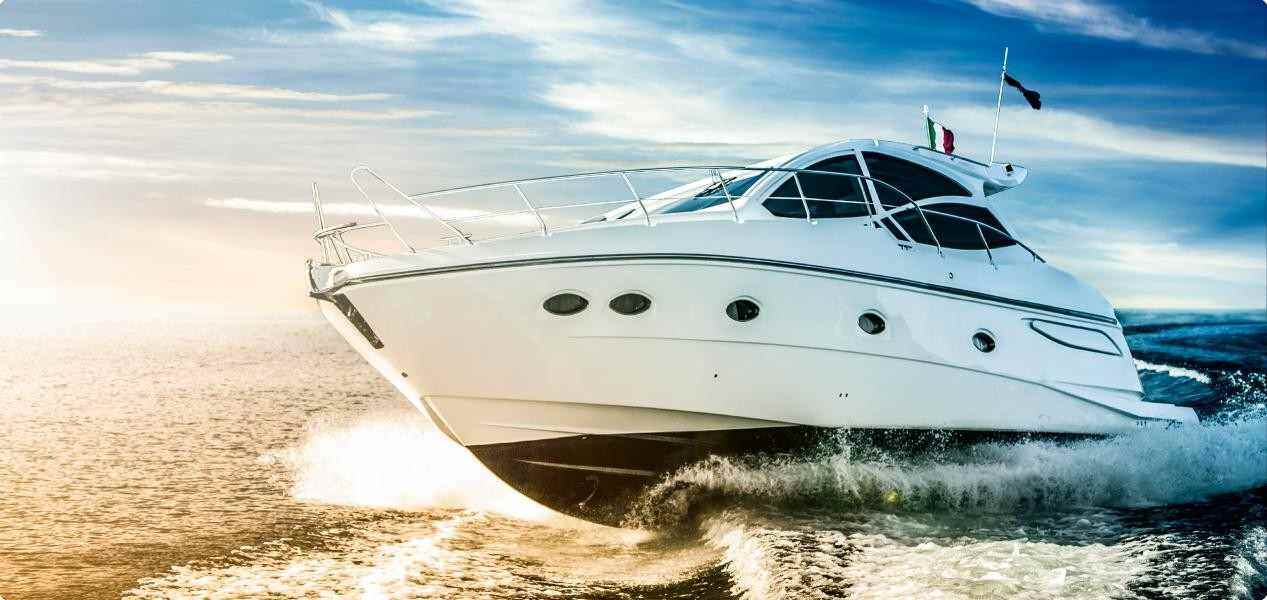
For marine battery selection, energy capacity is only one part of the evaluation. Salt exposure, vibration, moisture, installation space, and long-term environmental stress can all affect battery reliability.
Aeson Power develops battery solutions for different application requirements, including customized battery packs for demanding environments. For marine projects, the battery design can be adjusted according to the equipment structure and operating conditions rather than relying only on a standard configuration.
Environmental Challenges That Affect Marine Battery Performance
A marine battery operates in conditions where moisture and salt are always present. Salt particles in seawater environments can accelerate corrosion on external components and affect electrical connections if the battery design is not suitable.
Vibration is another major concern. Boats, marine equipment, and offshore systems are exposed to continuous movement caused by engines, waves, and changing operating conditions. A battery must maintain structural stability while delivering consistent performance.
When we evaluate custom battery packs for marine use, we consider environmental resistance as an essential part of the design process. Energy output alone is not enough; durability determines whether the battery can perform reliably over time.
Salt Spray Resistance and Corrosion Protection
Salt spray is one of the most common challenges in marine applications. The high concentration of salt in the surrounding environment can accelerate oxidation and damage exposed metal parts.
A suitable marine battery design requires careful material selection and protection methods to reduce corrosion risks. Connectors, housing materials, and internal components all need to be considered during development.
At Aeson Power, we focus on creating battery solutions that match specific application conditions. Our customized approach allows us to consider environmental factors and develop products that better suit demanding operating environments.
Managing Vibration in Marine Applications
Marine equipment experiences continuous mechanical movement during operation. Engine vibration, wave impact, and transportation conditions can place stress on battery structures and internal components.
A well-designed battery pack needs strong mechanical reliability to maintain stable performance under repeated movement. Internal arrangement, structural design, and component fixation all influence the final durability of the battery system.
The installation position is therefore an important part of battery development. Before finalizing a pack design, factors such as available space, mounting method, equipment movement, and surrounding components need to be considered.
Water Ingress Protection for Marine Battery Systems
Water ingress protection is especially important for marine battery packs because moisture can reach the battery through splashes, condensation, or accidental water exposure. An IP67-rated enclosure, for example, is designed to keep dust out and withstand temporary immersion in water under specified test conditions. Aeson Power lists an IP67 waterproof enclosure and anti-corrosive architecture for its customized sodium-ion marine propulsion battery solutions.
However, enclosure protection alone does not determine marine durability. Corrosion-resistant materials, connector protection, sealing interfaces, and the way the battery is integrated into the vessel all affect how well the system handles long-term exposure to moisture and salt.
Balancing Energy Requirements and Marine Durability
Choosing a marine battery is not only about selecting the highest capacity available. The battery must balance energy requirements with size, weight, installation conditions, and environmental durability.
Different marine applications have different expectations. A small electric boat may require a compact solution, while commercial marine equipment may prioritize long operating cycles and stable output.
At Aeson Power, we provide customized battery solutions based on specific customer needs. Our development process considers technical requirements, application conditions, and performance expectations to create suitable battery designs.
The Advantages of Customized Battery Development
Standard battery products may not always match the unique requirements of marine equipment. Space limitations, installation methods, electrical specifications, and environmental conditions can vary significantly between applications.
Customized battery packs allow designers to adjust important factors such as configuration, capacity, structure, and integration methods. This flexibility helps manufacturers create solutions that better match their equipment designs.
This is particularly useful for marine equipment with limited installation space or non-standard power requirements. Battery dimensions, voltage, capacity, discharge characteristics, and pack configuration can be considered together during development, allowing the battery to fit the equipment instead of forcing the equipment design around a standard battery.
Selecting the Right Battery Partner for Marine Projects
A reliable battery supplier should provide more than a finished product. Technical communication, customization capability, and understanding of application environments are also important when developing marine energy systems.
For marine projects, we look at the battery from both the electrical and structural sides. Available space, mounting position, expected load, operating temperature, and environmental exposure all need to be considered before we determine the final battery configuration.
At Aeson Power, our sodium-ion battery development and customized pack design allow us to adjust specifications such as voltage, capacity, dimensions, and discharge characteristics according to the marine application's requirements.
Meeting Marine Battery Requirements in Challenging Environments
Marine applications require battery systems that can withstand constant exposure to salt spray, vibration, moisture, and corrosion risks. Selecting a suitable battery solution requires careful consideration of energy demands, installation conditions, and long-term reliability.
Aeson Power's advantage lies in its ability to adapt sodium-ion battery packs to specific application requirements rather than limiting customers to fixed battery formats. For marine equipment manufacturers and system integrators, this means the battery can be developed around the actual installation space, electrical requirements, and operating environment.
If you are developing a marine power system and need a battery configuration for a specific vessel or piece of equipment, Aeson Power can discuss the required specifications and customization options with you.


