






A boat depends on electricity for much more than starting the engine. From the moment a vessel leaves the dock, the battery system may need to handle engine ignition, navigation equipment, communication devices, lighting, and other onboard electrical demands.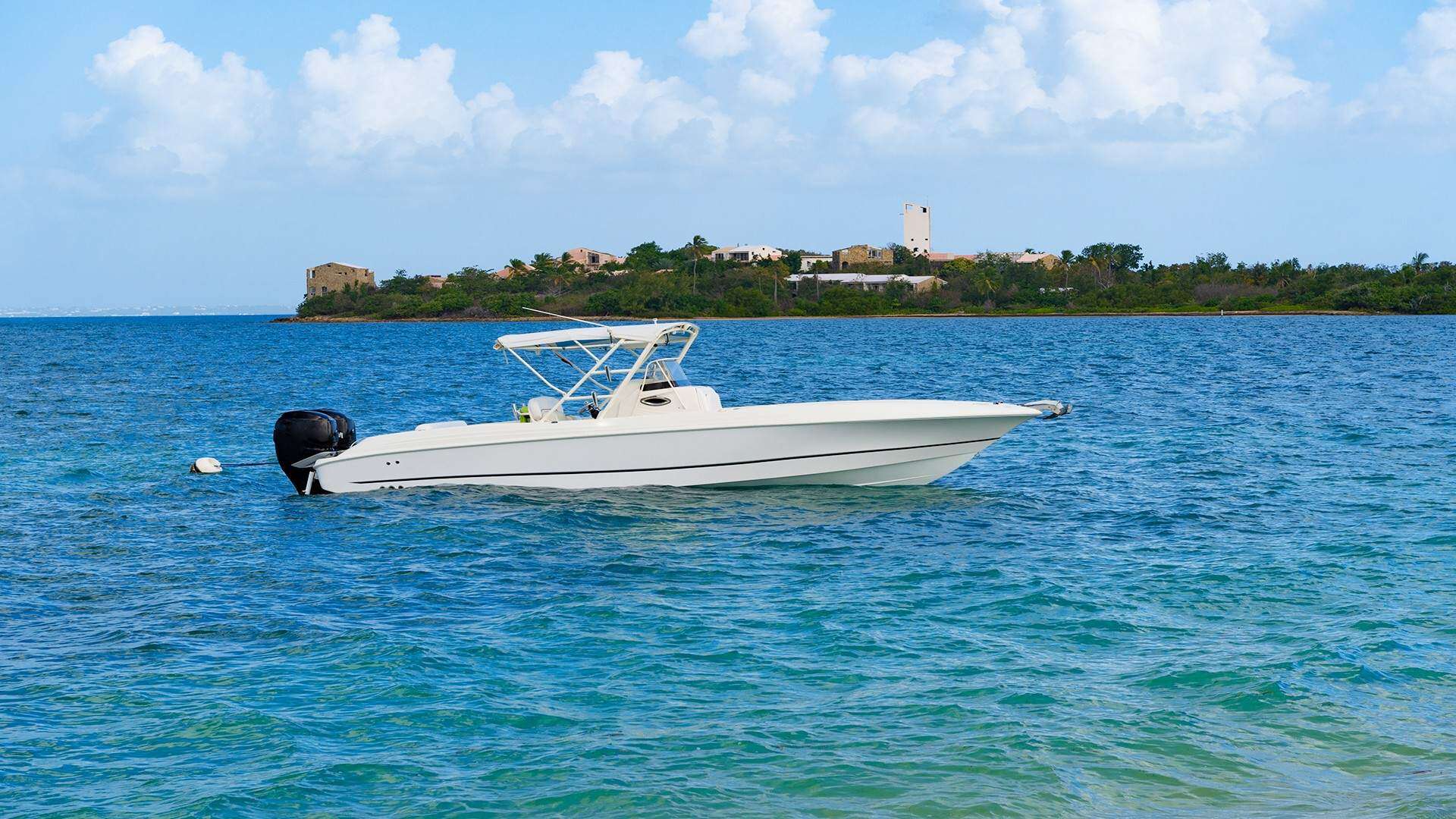
This raises an important question for marine applications: can one battery perform both engine starting and house load functions effectively? The answer depends on how the battery is designed, how much power the boat requires, and how the vessel is used.
At Aeson Power, we provide customized battery solutions for marine applications. We focus on understanding real operating conditions so we can help customers select suitable battery systems for different power requirements.
When a Combined Battery System May Be Suitable
For smaller boats with limited electrical equipment, one well-selected battery may be capable of handling both engine starting and basic house loads. Vessels used for short trips with fewer onboard systems often have simpler energy requirements.
In these cases, a battery designed for both reliable starting and repeated discharge may provide a practical solution. A super start marine deep cycle battery combines starting capability with deep-cycle performance, making this type of battery relevant for marine applications that require both short bursts of starting power and sustained energy delivery for onboard equipment.
However, the most suitable solution still depends on the specific requirements of each vessel. Larger boats or vessels with higher electrical demands may require a different approach. More advanced equipment, longer operating periods, and greater energy consumption can make a dedicated battery arrangement more suitable.
The Challenges of Using One Battery for Multiple Functions
Using a single battery for both starting and house loads can simplify installation and reduce the number of components onboard. However, it also means the battery must handle different operating patterns.
Frequent use of onboard electronics can gradually consume stored energy, leaving less capacity available for engine starting. At the same time, repeated deep discharge cycles may affect batteries that are mainly designed for short, high-power output.
For this reason, battery selection starts with the vessel's actual load profile. Daily power consumption, engine starting requirements, discharge depth, and expected operating time all affect whether one battery can reasonably serve both functions.
When a Combined Battery System May Be Suitable
For smaller boats with limited electrical equipment, one well-selected battery may be capable of handling both engine starting and basic house loads. Vessels used for short trips with fewer onboard systems often have simpler energy requirements.
In these cases, a battery designed for both reliable starting and repeated discharge may provide a practical solution.
However, larger boats or vessels with higher electrical demands may require a different approach. More advanced equipment, longer operating periods, and greater energy consumption can make a dedicated battery arrangement more suitable.
The Importance of Battery Design in Marine Environments
Marine batteries operate in conditions that are different from many other applications. Exposure to vibration, humidity, salt air, and temperature changes can affect long-term performance.
A suitable battery solution needs to consider not only electrical output but also environmental durability. The internal design, materials, and protection methods all influence how well the battery performs over time.
For a custom marine battery pack, structural requirements are also part of the specification. Available installation space, mounting position, enclosure requirements, operating temperature, and exposure to moisture or salt spray can all affect the final pack design.
Customized Solutions for Different Marine Power Requirements
Every boat has different energy demands. A fishing vessel, recreational boat, and commercial marine platform may require completely different battery configurations.
A customized battery approach allows adjustments based on capacity requirements, available installation space, operating environment, and electrical system design.
We work with customers to understand their marine applications and provide battery solutions that match their specific needs. Through flexible design and application-focused planning, we help customers achieve more suitable energy systems.
Choosing Between a Single Battery and a Multiple Battery Setup
The decision between one battery and multiple battery systems depends on the balance between simplicity and reliability.
A single battery arrangement can reduce installation complexity, while separate batteries can provide additional flexibility by allowing starting power and house power to be managed independently.
When selecting a marine battery system, we recommend evaluating how the boat is used rather than focusing only on battery capacity. The right solution should match real operating conditions and future requirements.
Making the Right Choice for Marine Power Management
Selecting a battery system for a boat requires a clear understanding of how energy will be used throughout each journey. Whether the priority is strong starting performance, longer operating time for onboard equipment, or a balance of both, we evaluate the vessel’s power demands, installation conditions, and operating pattern before defining the battery configuration.
At Aeson Power, our advantage lies in combining sodium-ion battery technology with customized battery pack development. We can adjust key parameters such as voltage, capacity, dimensions, discharge characteristics, and operating temperature instead of limiting marine projects to a fixed battery format. This allows us to address both electrical requirements and physical installation constraints during development.
For customers developing marine equipment, we can discuss the battery requirements from the initial specification stage and carry those requirements through pack design and product development. If a vessel needs a particular size, discharge profile, or installation arrangement, we can use these conditions as part of the battery design rather than treating them as secondary considerations.


